Leveling the Ditches

Photo credit:  Thomas_H_foto

I’ve spent alot of the last 20 years going to therapy. I’ve had a couple of good therapists during that time who have really done some hard work with me and have made all the difference in helping to guide me in becoming who I am today. I’ve tried to be very careful not to put them on pedestals in my mind, but I am grateful for the time and patience and consistency that they have offered me as I healed wounds, began to learn that I have way more self agency than I ever thought, and started to imagine that it might actually be possible for me to become the kind of person I want to be.

One of these therapists really hardly talked at all during our sessions. I drove an hour to her home office every Wednesday for six months when I desperately needed help in moving out of ambivalence to determine if I was going to ask my then-husband for a divorce or suck up my misery and resign to staying in a bad situation for the long haul. I knew I wanted out, but I was desperately afraid. Each week I would walk in and greet her standard poodle Izzy, and then sit on her couch, while she sat patiently in her chair waiting for me to start talking. She never pushed me, never cajoled me into telling her what was on my mind. Instead, she just calmly and empathetically listened while I talked myself into being brave and the readiness to take the big leap off the proverbial cliff that had been calling my name for over ten years. That six months of non-judgmental listening was one of the best gifts I’ve ever received. She could have told me from the start what I should do. She could have offered me all kinds of therapeutic techniques to employ in the situation. But somehow she knew that what I needed most was someone who would just sit, and listen, and hold space for me to cry, and rage, and process all of my feelings and fear out loud. Then one day, after that six months, I woke up and knew exactly what I needed to do, and I did it. I took a running leap and launched off the biggest, scariest cliff of my life, knowing that I would be OK.

I can’t stop thinking about Mary Oliver’s poem, The Journey, as I write this, especially the last part of the poem. That therapist allowed me the time and space to really start hearing MY voice amidst all the voices around me, real and hypothetical, with their endless commentary and judgment about my life.

…and there was a new voice
which you slowly
recognized as your own,
that kept you company
as you strode deeper and deeper
into the world,
determined to do
the only thing you could do—
determined to save
the only life you could save.

The other really impactful therapist in my life…she’s done alot of listening, but she has pushed me so hard over the last five years. I can’t fake it with her, can’t wiggle out of reach of her concentrated stares that forewarn me she’s about to confront me on some lie I’ve been telling myself. She’s the kind of therapist that is immensely kind and empathetic, but she also knows when to tell me to cut the crap and stop faffing around. When I slander myself or make some self-deprecating statement, she forces me to rephrase what I intended to say before she will allow the conversation to move forward. She is also so matter of fact, and has mostly never gotten perturbed by whatever I’ve thrown at her. ‘You’re really angry now, Julie,” she’d say. “But at some point you’re not going to be angry anymore.” Or, “Fuck may be your favorite word to describe everything right now, Julie, but at some point you won’t need it anymore.” This particular therapist refuses to let me cop out and defer to others for direction on how my life should go. She has always been insistent that my intuition is spot on and that I don’t need anyone, and certainly not a man or a relationship, to save me, and that everything I will ever need is right inside of me. It took me a couple of years, but I finally started to believe it.

One huge lesson that I’ve been learning, especially over the last five years, is that we all have traumas of varying degrees, and we are all wounded…and while we can’t change the things that happened to us and made us afraid, or feel broken, or ashamed…it is our responsibility to determine how we will respond and heal from those things. Admittedly, this can be a hard realization to swallow. It is easier, especially early on, to want to point back to our deep hurts and the people that hurt us, and cast the blame onto them. And often, we want them to have to pay the price for what they did to us, or to come to us and apologize….or at least give us explanations for why they did what they did. Or, sometimes, we just take on the guilt and blame of all of our traumas, and cling, even unconsciously, to the belief that we deserved what was done to us because we are inherently unworthy or unlovable or “messed up”.

It is much easier for us to remain victims regarding our traumas and shame. I mean, if we’re honest about it, there are some real payoffs to allowing ourselves to remain in that state. If we work it right, it can grant us alot of attention from other people, it allows us to control others’ actions around us so they don’t make us uncomfortable or “trigger” us, it allows us to not have to take responsibility for our lives and choices, and it enables us to maintain the status quo, shifting blame to others for us not creating the lives that we want.

What I just said above can come across really harsh, I know it. I used to get so irritated when I would hear things like this.

“So, we’re just letting people who hurt us off the hook? Why do I have to be responsible for fixing things that others broke in me? Why are you putting the burden on me…don’t you know what they did to me?” This is where pain and suffering need to be differentiated. When “those” people hurt us, they caused us pain. For sure. It was real, and terrible, and unjustified, and we didn’t deserve it. But when we carry what happened to us in the past into our present, WE are perpetuating that pain as unnecessary suffering. As harsh and unfair as it sounds and feels, we are causing our own continued suffering when we remain identified with the past.

Even while I’m writing this I’m bristling up a bit. It still bothers me a little, even though I’ve become pretty convinced it is true. But I do know this: I am no longer OK with events that happened decades ago, or people that are long dead, or even hurtful people that are in the periphery of my life, to control my happiness, my sense of self worth, or have any ultimate say in my journey to becoming the person I’m aiming to be. It’s a matter of anger and pain transformation. We have to look deeply at the pain that we experienced, and deeply feel the sadness and grief and anger, and allow these energies to be transformed within us so that they no longer perpetuate suffering, but rather, motivate us to action that is directed in our favor and towards our own personal good.

This is a hard one, for sure. Most of us, I think, are hurt the worst in our childhoods. Those wounds, whether intended by others or completely accidental, can help shape our personalities, influence whether we learn to fight, flee, freeze, or fawn, and can paralyze our ability to trust ourselves and believe that we have voices that deserve to be heard. Conversely, those wounds can cause us to lash out at others, or condescend, or learn to blatantly disregard the rights of others as we strive to gain some sense of security in our lives.

There are a billion videos and books out these days on narcissists, mother wounds, father wounds, etc. I mostly think this is a good thing: the presence of these kinds of materials shows that we as a society are becoming more aware of how we are shaped in our childhood by various people and circumstances, and how the patterns of codependency and toxic relationships can pull us in and play out. True, some of these topics have become trendy and overused, and NOT EVERYONE is a narcissist. To riff off something similar that a friend of mine once said, I know’s there’s not a narcissist behind every rock, but I’d like to be able recognize when a real narcissist is behind the rock in front of me.

I think it’s really good that it is no longer so taboo or uncomfortable for people to talk about going to therapy, and that it is more openly encouraged these days. That we are allowed to look back on our lives and name the things and people that hurt us, acknowledging that many of those events were not OK. Even more so, I’m very glad that we are speaking the message more and more openly that we are not required to do life or stay in relationship with people that have hurt or continue to hurt us. It is OK to divorce family members, or to even set up very firm, clear boundaries for interactions. It is OK to have varying levels of intimacy with different people in your life; it doesn’t make you dishonest if you aren’t as transparent with one person as you are another. I’m so grateful for all the great books on boundaries that have been published over the last couple of decades, especially for those of us who grew up suffering, without any sense of space, personal or otherwise, that we could say belonged solely to us.

At the same time, I have heard alot of people gripe about how we need to stop blaming our parents for everything. “That’s just the way it was in the 80s.” Or, “My parents whipped my ass and I turned out just fine.” (I internally take issue with this statement every time I hear someone say it.). Or, “These younger generations are just lazy, don’t appreciate the value of hard work, are too soft, (insert a billion similar phrases here).” Most of the time these statements annoy me, and I want to slip them my therapist’s number and tell them it might help to talk to someone. But I also recognize that at a certain level, they are right. Not about this generation being lazy or that we all deserved a good spanking. At some point in each of our journeys, we have to let go of the blame game and stop linking all of our pain and our hurts to “that person” or “that one event”. Endless blaming and shifting of responsibility to others is never going to get us to where we want to go, long term. Early on, when we start down our paths to healing, it is good and necessary to recognize who and what hurt us and stop making excuses for them. Alot of those things absolutely need to be called out. But then, as we start to grow and expand and begin to take our rightful places in this world, the blame game has to stop or we’ll remain stuck – Stuck at a life level I think may actually be worse than the place we started from.

A medical intuitive and spiritual teacher that I really like, Caroline Myss, often tells a story about how at some point, it is crucial that we let go of the blame game and dis-identify with our trauma. She tells of a Native American ritual that helps people get over their traumas and soul wounds. I can’t remember all the details from her telling of it, but basically the idea is that the community would listen to the telling of one’s trauma three times, but after that, they would turn their back on the remembering and telling of the trauma. Not because they didn’t care about the person or recognize the significance of that deeply painful experience, but because they knew that continually reliving and affirming the existence of the experience did the individual no good. Ultimately, it would keep the person stuck.

We are not meant to stay wounded. We are supposed to move through our tragedies and challenges and to help each other move through the many painful episodes of our lives. By remaining stuck in the power of our wounds, we block our own transformation. We overlook the greater gifts inherent in our wounds – the strength to overcome them and the lessons that we are meant to receive through them. Wounds are the means through which we enter the hearts of other people. They are meant to teach us to become compassionate and wise.

– Caroline Myss

Something that sometimes annoys me is that once you get to a certain point in your healing journey, and try to employ the blame game or verbally recall your traumas out of a conscious or unconscious need for attention or affirmation or whatever…it will fall flat. I’ve noticed that every once in a while, especially when I’m tired or just really needing affection or intimacy from loved ones, instead of just openly asking for what I want or need, I’ll conjure up something that is related to a past trauma of mine, and it involves me somehow recounting that trauma and how much my current feelings or the situation is reminiscent of it. Almost every time I do this, I get an ick feeling mid way through my “trauma telling” that advises me to stop going down that path….to stop talking… that it’s not serving me. Telling me that if I need connection I just need to ask for it. But more often than not, I’ll push through, tell me story, and sure enough, the outcome I was “hoping” for fell flat or I came away feeling manipulative and gross. Not because I was telling a lie or was consciously trying to manipulate someone into giving me what I needed, but because I recognized that I’m past those traumas…they’re old stories that no longer define me, and when I try to re-identify with them, it makes me feel inauthentic and icky. As it should.

At some point, we just need to drop our stories.

I was talking with my therapist the other day about an unexpected existential crisis that arose in me about COVID vaccines and big pharma, of all things. The actual details of why Pfizer and Ventavia were causing me angst really don’t matter, but what came out of this conversation through some verbal processing felt really helpful to me. My therapist and I were honing in on how the belief about the situation was making me feel, and I was able to identify multiple instances from my childhood in which I felt the same way.

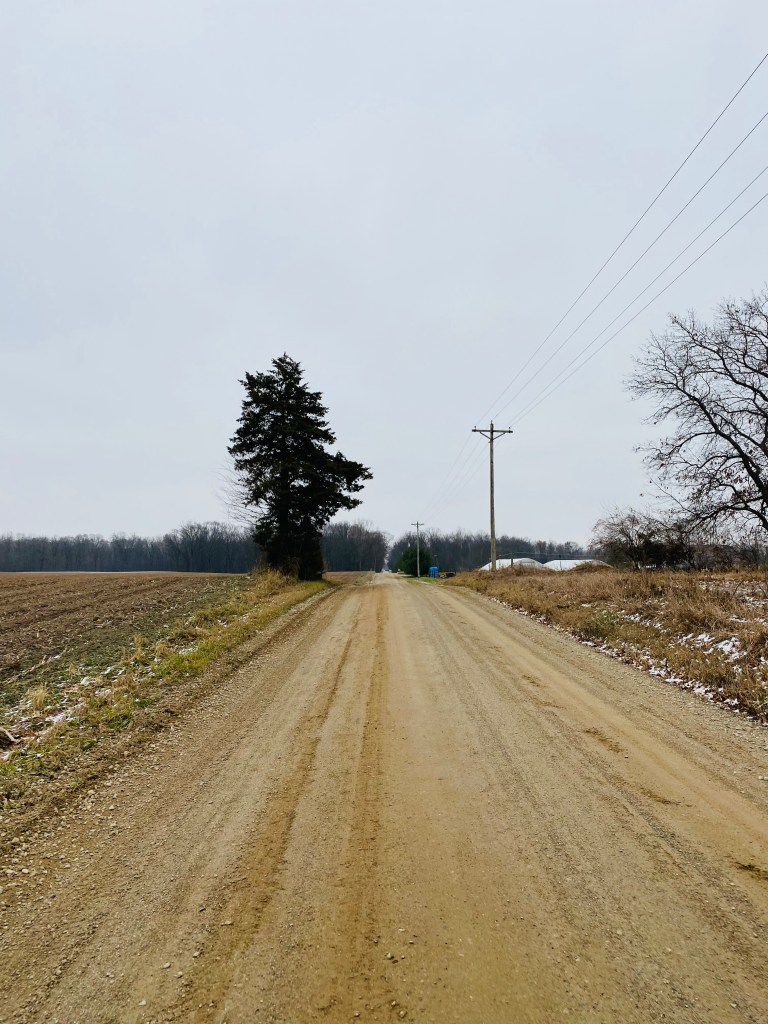
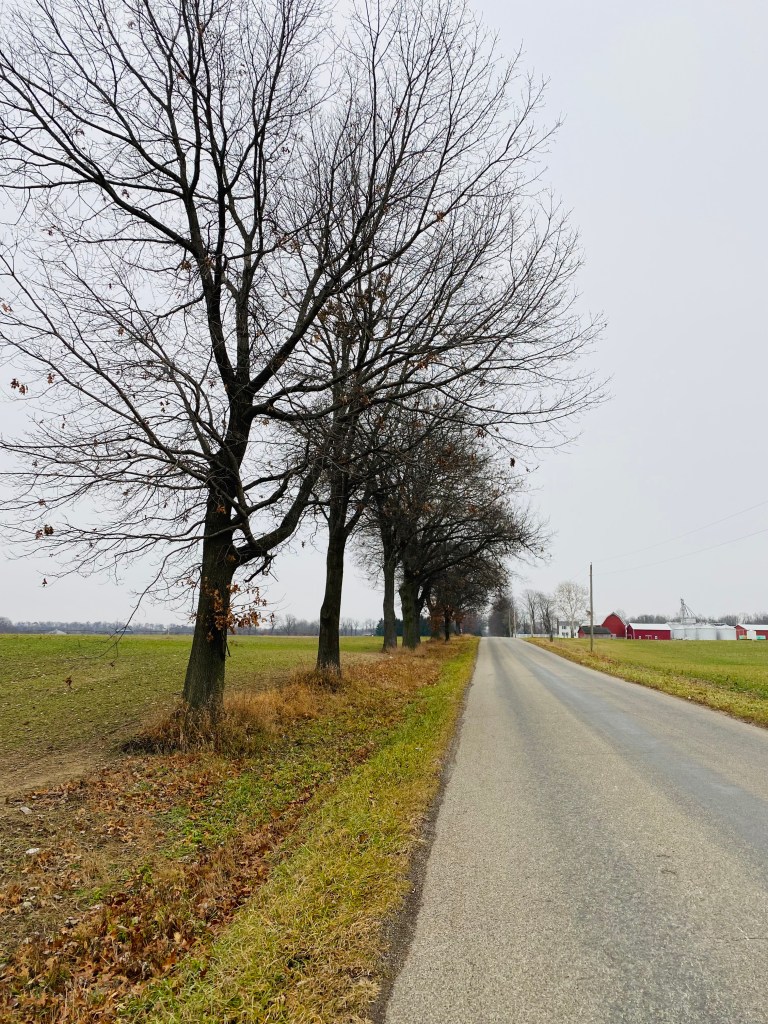
As my therapist and I worked through my uncomfortable feelings around my vaccine crisis, and how they were bringing up similar feelings that I’ve felt before, I felt I needed to qualify to her that while I was bringing up a story from the past, I was not trying to throw anyone under the bus. I was not trying to launch into repeated angry tirades about how someone hurt me in the past and made me feel exactly how I felt now. Rather, I just wanted to express that I could perceive my thoughts and feelings traveling down well know roads in my mind. These roads were first laid down by people and hurtful events, but over time, I allowed them to become deep, worn, well traveled grooves that would come to direct so many of my behaviors and responses to different life events.

As I began verbally processing about all of this, my therapist threw in a zinger as she always does. To paraphrase what she said to me: people and events hurt us one time, or in isolated events, but then we perpetuate that hurt long term in ourselves.

Dude, that is a painful thing to think about, to write down. But I think it is also wildly liberating. Because…it implies we are not doomed to live forever in the shadows of what was done to us. We may not have the choice about pain that is caused us, but we have agency over how long we want to suffer from that pain. That feels like gospel good news to me.

The interesting thing about the conversation was that when I think about those childhood events connected to my current feelings, there was no anger present. No blame. No pointing fingers. It was just a noticing that my anxiety and fear of what my crisis might be saying about me was the same anxiety and fear that I had felt multiple times before. The feelings were yucky, but familiar. The thought patterns surrounding them were well tracked in my mind and I knew every bump and curve along their paths. I used to be angry when I made connections between these feelings and old events. I knew exactly which adults in my life had caused those feelings in me when I was a child and exactly how they wronged me. And for a long, long time, I would allow that rage and resentment to rise up in me when I thought about the specific ways they had hurt me. But at some point, with my therapist’s help and alot of internal shadow work, I realized the anger was no longer serving me and it was time to transform it and forgive “those people”. Forgiveness and what I think it means are a whole other conversation, too long for today. But ultimately, I realized I was tiring of carrying around pointless anger that did nothing but keep me stuck and miserable about the apologies I was never going to get. In the meantime, here is another great offering from Caroline Myss, to chew on for a minute:

Ultimately, forgiveness is a battle between the righteousness of your ego and your capacity to transcend whatever situation you’ve experienced that has shattered the following myths that maintain that suffering is deserving of recognition, reward, or righteous vengeance:

  • God is on your side and only your side.
  • Justice should be logical and reasonable and always serve your side of the story.
  • God follows the code of human law – if you do only good things, bad things will never happen to you, and, of course, you never do bad things.
  • You are entitled to have all things work out in your favor.

We learn protective mechanisms and ways of being to survive hard things in childhood. Our ability to creatively defend ourselves in different ways speaks to our resiliency and drive to continue living. Many of these behaviors and responses to traumas and childhood are cemented into our personalities and foundational patterns and ways of being as we grow older. Our beliefs and involuntary reactions form what I like to think of as ruts or ditches in our minds…basically well used cognitive and emotional pathways that are carved into us and serve us, at least for a time, until they don’t. Science tells us that neurons that fire together, wire together. Our brains try to be efficient and from what I’ve read, especially in relation to addiction science, create neural pathways that strengthen the more that neurons in those pathways fire.

Those “ditches” in our minds are really helpful because they help with memory, and habit, and doing similar behaviors without having to relearn them over and over or to require constant thinking about what we’re doing all the time. However, they can become maladaptive, especially when we are adults and are interacting with life using the same thinking and behaviors that we utilized when we were younger. When we are children, the ditches are safe places to hide in, low places that can sometimes shelter us from chaos or mayhem around us. They can protect us from absolutely being broken in spirit by hurtful people or unthinkable events. But when we’re older, the ditches can become deep ravines we repeatedly fall into that hinder our forward progress. They may still be places we can hide in for a time, but they may also keep us hidden from good things that want to come into our lives.

Here’s a quick example of a protective “ditch” from my childhood. When I was young, probably about 9 or 10, I began experiencing really strong “sleep attacks” that seemed to hit me out of nowhere. I wouldn’t automatically fall asleep, but I would suddenly feel exhausted and overwhelmingly sleepy and it would be all I could do to stay awake. Whenever I could, I would succumb gratefully to these attacks, and sleep deeply. I experienced these sleep attacks all the way up into my early 30s. Their presence, in addition to frequent migraines and generally poor sleep at night, drove me to get a sleep study done. Initially I was diagnosed with non-cataplexic narcolepsy, with the diagnosis eventually being changed by a sleep neurologist to “an idiopathic sleep disorder.” Basically, I had an abnormal sleep study and was not getting restorative sleep. This was likely contributing to my sleep attacks during the day, but the cause of my abnormal study was unclear.

Long story short…not long after I had this sleep study done, I really got serious about personal healing and self development. I went through a major faith deconstruction and then gradually started reconstructing it, I stopped believing that I had multiple mental health disorders as numerous healthcare providers had convinced me over the previous decade, I found the therapist who really knew how to listen, and I started questioning my entire belief system about…well…everything. And wouldn’t you know….the constant migraines and sleep attacks just completely went away on their own. As I look back on the sleep attacks, I can now clearly see that they were a defense mechanism for me when I was a child. When I was confronted with emotions or events that were too big and overwhelming for me to handle, my body would put me to sleep. Maybe a little like dissociation. And when I would wake up, I would feel like I could move on from whatever had happened. Once I really started doing the deep introspective shadow work into myself, and started learning how to transform my pain and fears, I no longer needed to be “rescued” by sleep. That ditch was no longer needed, no longer serving me; it was eventually abandoned and filled in as my mind found new, healthier paths for which to navigate life.

At some point, it is time for us to start leveling the ditches. Eventually, we need to start filling them up so they can no longer serve as our familiar, comfortable, “automatic” pathways. It is time to start carving out new neural pathways and thought patterns in our brains and minds that actually serve us now that we are grownups. This isn’t an easy task, and it requires us to take on radical responsibility for ourselves and our lives, but as far as I can tell, it is absolutely worth it.

You know that saying attributed to Paul the Apostle in the New Testament? “When I was a child, I spoke and thought and reasoned as a child. But when I grew up, I put away childish things.” 1 Corinthians 13:11, NLT. When I was younger, I would read this verse and feel like Paul was dissing childhood a bit. But no…he was saying that the way we thought and approached life as a child served us then, but now it’s time to rework all of that and use the reasoning abilities we have as adults to approach the lives we are living now.

I suspect that over time many of these feeling and memory ditches in my mind may become more and more shallow, until eventually, I no longer associate them with “events” or “people”. At least, I hope. They will just be small dips in the road that I encounter every so often, where I recognize a “feeling” that I’ve had before. But instead of falling into a deep ditch where I get stuck in old stories and what people did to me, I can just feel the feeling, let it pass, and keep moving on.

Turns out, I was not ever really upset about Pfizer and Ventavia. Not surprising. It was the “thing behind the thing” that I was upset by. Thoughts about a situation with COVID and vaccines dredged up similar feelings that I knew very well, feelings that were ultimately tied to core wounds and beliefs about myself. As I talked to my therapist about all this, I was able to move through those feelings pretty quickly and gain resolution so much faster than I ever used to be able to. What really excited me about the process, though, and showed me I’m actually making some good progress? I didn’t have to go back and get angry at anyone or anything that helped contribute to my core wounds and fears, and I was able to recognize that I didn’t even have to be angry at Pfizer and Ventavia even though it was news about them that appeared to undo me for a few hours.

All I had to do was sit quietly, talk through my feelings and find their origin, question whether my beliefs about them were true or not, decide that what I was believing about myself in the moment was not true, and then move forward, choosing to believe better about myself. In the matter of the one half hour long chat with my therapist, that particular fear ditch got filled in and leveled out just a little bit more.

To Myself On My 45th Birthday…

This is a post I started a few years ago, and each birthday I am adding a new insight that I learned that year or some idea that helped carry me through.

A random assortment of things that I’ve picked up over 38 39 40 41 42 43-44- 45 years, from people, books, and my own experience. These are my rules to live by

1. Kierkegaard was right….life is a beautiful mystery meant to be lived and experienced and played and danced, not a problem that needs to be solved.

    2. You can’t choose who you love; you either do or you don’t, and you are free to love whomever even if they don’t love you back.  And you can be OK with being loved back or not being loved back.

    3. It is never too late to stop, turn around, and go in the other direction.

    4. Where you live doesn’t matter, and where you live doesn’t bring happiness.  You can be just as happy in a little house in nowheresville as you can be in a big house in a happening place.

    5. How other people treat you has little to do with you.  They are dealing with their stories about you.  Likewise, when you have a problem with someone else, it is really a problem within yourself. You are projecting your own baggage onto other people.

    6. Eat less. Eat unadulterated food as much as possible. Plants. You’ll just feel better.

    7. Try to never make decisions rooted in fear, guilt, or shame.  Choose what you want in your heart and stand by your decision.

    8. God isn’t angry.  He/she was never angry.

    9. You don’t have any problems right now.  Your “problems” are either in the future or the past, and those are just illusions.

    10. Do whatever necessary to protect your sleep rhythms. It heals you.

     11. Don’t forgive people to make them feel better. Do it simply to liberate yourself.

    12. Cut yourself some slack when parenting.  The things that scarred you are not the same things that will scar your children. Stop trying to extrapolate how every one of your mistakes will ruin your kids’ lives.

    13. Two glasses of wine in one sitting is enough.

    14. Sometimes radical self-care looks like complete irresponsibility in the eyes of others. Just carry on. You know what you need.

    15. Pay attention to your dreams; they can tell you alot about yourself, and sometimes offer glimpses into the future.

    16. Let your children be your teachers: they reflect back to you who you are.

    17. Welcome whoever life brings your way, but intentionally choose who you do relationship with.

    18. Give away most of your stuff. Only keep what brings you joy.

    19. Don’t wait for the perfect temperature; go outside and play anyway.

    20. You can do more than you think you can; it’s all really just a mind game.

    21. Your parents did the best they could with what they knew at the time.  Generally.

    22. Family is not always biological.  They are sometimes found in the most unexpected people.

    23. Find what you’re really passionate about and pursue it with abandon.

     24. It is possible to find at least one commonality with every single person you meet.

    25. Jesus was totally right when he said to find yourself you must first lose yourself.

     26. Working in the hospital can freak you out.  Healthy people get sick.  Get the flu shot. 

    27. Cheese and corn syrup are in literally everything.  Read the labels.

    28. Sometimes you need to plan diligently, deliberately. And sometimes you need to be bat-shit crazy impulsive.

     29. Community is important, whatever that looks like for you.

     30. Sometimes the scariest option is the absolute best option.

     31. Just buy the hammock.

     32. Don’t avoid doing what you really want to do just because no one is there to do it with you.

     33. Live your questions; don’t demand answers for everything.

     34. Surround yourself with people of all ages.  Babies and the very old usually have the most sense.

     35. Don’t hit. Ever. It won’t bring the results you want.

    36. Don’t punish yourself for making a bad mistake by living with that mistake forever.

    37. People will exploit you only as far as you will tolerate their behavior.

     38. There is enough.

     39. Everything belongs.

    40. Sit with a dying person, and really SEE them. It might be the most meaningful thing you ever do, and it might be the only time they’ve ever really been seen for who they are and not what they do.

    41. The obstacle is the path, and the Gospel is not the ability to avoid pain; it is the grace and mercy we are given to be able to hold pain, both in ourselves and for others, without being destroyed by it.

    42. Pursue your authentic self with relentless abandon and don’t be afraid of the unknowingness.

    43. Stop putting other people on pedestals above you. Climb up on your own pedestal and be damn proud of it.

    44. The pain is there to show you something, to teach you something. It is a gift to save you from endless suffering if you can be brave enough to let it be your teacher.

    45. Stuff that happens to me and around me are just events. It’s what I believe about the events that determine my reality and my feelings about them. If I believe the Universe is benevolent, I will only see and experience a benevolent Universe. If I believe the Universe is against me, that is the Universe I will experience.

    Pain Caves and Spelunking Your Inner Landscapes

    I haven’t written very much in a long time. It’s been a couple of years, I guess, at this point. At least not on this blog or in the way of creative writing. Most of my putting words to pages has all been academic or technical…. mostly freelance writing on some of the most recent ophthalmological advances, aimed at a physician readership. This hasn’t been because I haven’t wanted to write, but because something within me needed to be quiet for a bit; I needed to let all the questions and ideas and shadows within me sort themselves out and settle a little in the silence.

    The last two years of my life can be best described as a great unraveling and coming to the end of myself. Maybe not THE END of myself, but AN END of myself. The first many months of that time were a deep, dark night of the soul for me; but not in the sense of complete hopelessness, meaningless depression and despair. (I’ve been to those places many times before, and know the dread and terror that accompany them. This was not that). No, this unraveling was hard, a journey mostly traveled in solitude, but in this particular case, I knew where I was going the entire time. I didn’t know how long it was going to take, I didn’t quite know what the terrain would be, but I was confident that I would reach the destination awaiting me, one of hope and personal growth and wellbeing and “OK-ness”.. I knew these things because of the great cloud of witnesses that have been forming me and cheering me on for years….poets and thinkers and mystics, most of whom are now long dead and gone, who wrote about having gone through these same unraveling themselves. Fortunately, they have graciously shared their stories with all of us, so that when our turns came, we would not despair, and we could find our paths just a bit more easily.

    Now, after that long dark period…after unraveling all the way down only to ultimately discover the REAL ME, I’ve slowly floated back up to the surface again. I have so many things bottled up in me that I want to write about, lessons I’ve learned, some new perspectives I have on life, being, meaning. Mostly they are things I want to put out into the world for myself, because writing is a cathartic way to process and solidify what I’ve been pondering for so long. Maybe these things that I ramble on about in this blog will be a help or interest to others. Today I specifically want to talk about the metaphor of caves and why I think there is something useful in embracing the art of internal spelunking, both to really explore the depths of our humanity, but also to be able to transform our deepest wounds.

    Be patient with me as I wobble about and try to find my writing legs once again.

    ****************************************************************************************************

    When I was in high school, I went on a trip with a group of teachers, parents, and students to Andros, an island in the Bahamas. This island, at least at the time, was not very developed or touristy, and we went to stay at a research station with the goal of learning about the ecosystems there and snorkeling around every reef we could. Andros is mostly.a big limestone rock that boasts complex underwater cave systems that attract adventure seekers and skilled scuba divers who want to explore this underwater world. On my trip there, we were taught by staff at the research station about the sport of cave diving, which is not for the faint of heart. A study published in 2016 determined that in the last thirty years, a total of 161 American cave divers (both trained and untrained) died while out on dives. Most of these deaths occurred because the divers drowned: they ran out of oxygen in their scuba tanks or became lost or disoriented due to poor visibility from silty, murky water.

    Let me just say this: there is no way in hell that I will ever go cave diving. No, no, no, no, no. Wasn’t interested back then in high school, still not interested now as a more adventurous 44-year old.

    Andros is known for its Blue Holes, where the extensive caverns beneath the surface of the island open up into into vertical shaft sinkholes, where the top layer of limestone essentially collapsed inward. These holes can be hundreds of feet deep, and are popular with island visitors as swimming spots. My high school group visited one of these famous blue holes (Uncle Charlie’s Blue Hole, made famous by Jacques Cousteau in the 1960s) for an afternoon swim on one day of our trip. The experience was an adventure in itself: the sides of the hole were sheer, rocky walls; the only way to get in was to jump off a platform (or via spread-eagle belly flops onto the water like the pre-frontal cortex-lite teenage boys in our group chose to do), and then scramble back up out of the hole using a flimsy ladder. The entire time we swam in this incredibly deep hole (417 feet deep, to be exact), we knew that below us was the grave of one of those divers who had run out of air and was never recovered from the caves. I don’t have any pics anymore from that trip, but I found a YouTube video of the Uncle Charlie’s blue hole:

    Uncle Charlie’s Blue Hole, Andros Bahamas

    Cave diving in areas like the Bahamas or Florida can involve miles of swimming horizontally, but it is also deep enough that oxygen tanks need to be stashed at different places along the route to account for decompression stops. And, in certain areas where fresh water meets salty ocean water, a halocline can develop and result in poor visibility for the diver. The underwater ecosystems also produce hydrogen sulfide gas, which can permeate scuba gear and sicken divers when at higher concentrations.

    The fascinating thing about cave diving ( even though I personally have minor panic attacks watching video of deepwater cave diving) is that people who do this are seeing areas of the Earth that have been largely untouched or even seen by humans. They get to view and explore ecosystems that are incredibly unique and don’t exist elsewhere in the world. But, this exploration comes with incredible risks…like running out of air, not stocking a sufficient number of oxygen decompression tanks, getting lost in a halocline, not being able to find your way out of the caves if you didn’t use a guide line, OR, getting tangled in your guide line and not being able to free yourself. (Panic attack…breathe Julie…you’re sitting at your kitchen table). Cave diving is not for the faint of heart, which is why there are only a few hundred cave divers in the world, with only a tiny percentage of them being considered expertly-trained divers.

    ************************************************************************************************************************

    Moving now to a completely different sport, one that I love: ultra running. Courtney Dauwalter has charmed the ultra running world, having won the Ultra triple crown, among numerous other races: Western States, UTMB, and the Hardrock 100. This 39 year old is amazing, both as a runner and as a human being. Every time I seen her in an interview or a race, she always has a smile on her face and is always just exuding gratefulness and humility.

    A couple of years ago Rich Roll interviewed Courtney on his podcast. It was really good; I recommend a listen. At one point in the podcast, Dauwalter brought up the idea of a “pain cave”. (Any of you who have done endurance sports or long races know the pain cave; it’s that place you get where you just feel spent, everything hurts, and you’re not sure if you’re going to make it. It’s mental as much as it is physical). Rich had asked her about her experiences of just completely crushing her sport and blowing by her competitors in races. How did she get there? How did she maintain her mental and physical stamina? She, in her typical diplomatic way, said it was a reframe of the pain cave. The pain cave, to her, was that place in her running that originally she thought should be put off as long as possible. And then, when one does hit the pain cave during a run, one should just try to survive and endure it.

    Courtney decided change her understanding of the pain cave as something that just has to be survived. She now views it as a place that should be celebrated when it is reached in a race, with the understanding that now the real work is going to be done. That work involves an excavation deeper into the pain cave, stretching her limits and mindset, so the result is that her capacity for pain and hard stuff in a race just keeps becoming more expansive. I loved this idea so much, and when Courtney announced she was having T-shirts made up that displayed this idea as a graphic, I totally stepped up and bought myself one.

    My Pain Cave Shirt, that’s gotten a lot of

    wear, sometimes while I was in an actual

    pain cave.

    *******************************************************************************************************

    I think most of us are taught, either intentionally or passively, by our families and culture, to avoid looking inwardly too much. We are encouraged to distract ourselves, stay superficial, avoid our pain caves at all cost. And so we buy more crap we don’t need, we doom scroll on social media, we busy ourselves with petty things and entertainments. Honestly, I know that much of my reluctance to cave dive into my own pain caves was influenced by my conservative Christian upbringing. I was afraid that if I looked too closely at my deepest self, that I would find only broken-ness, sin, and unworthiness there. Best not to go deep, I believed. Better just to look outwardly for someone to save me…whether that be Jesus, or a husband, or a good career path, or something else.

    I used to be afraid of looking into my pain, the emotions and memories that I tried to keep stuffed down as deeply as possible. This was all because I was afraid that if I went there, I would get lost. I would find myself disoriented in the haloclines of my personal traumas, convoluted worldviews, lack of faith and trust in myself, and the oily, black nightmarish beliefs that I was never wanted and didn’t belong here. I feared that I didn’t have a solid guideline to pull me back out to the surface if I ventured too far into the labyrinth of caves within my psyche. I had been taught not to trust myself.

    But now….everything has changed. I want to dive deep, I want to explore my inner landscapes and ecosystems because, not to sound all over the top or anything, that is where I have discovered real life. There is as much to explore within ourselves as there is a great universe outside of us. Over the last couple of years, when I finally got brave enough to jump into the deepest blue hole of myself, I didn’t find death. When I started facing the pain, and chiseling away at it one layer at a time, the caves didn’t start crumbling in on me. I didn’t get lost. Instead, I found abundance, and fresh springs of creativity, and most importantly, I found mySELF. And I discovered that I really, really like her.

    I hope to write more about these things I’ve been learning from my long dark night of the soul, soon….

    To Myself On My 44th Birthday…

    Photo credit: Duncan Cummings

    This is a post I started a few years ago, and each birthday I am adding a new insight that I learned that year or some idea that helped carry me through.

    A random assortment of things that I’ve picked up over 38 39 40 41 42 43 44 years, from people, books, and my own experience. These are my rules to live by.

    1. You can’t choose who you love; you either do or you don’t, and you are free to love whomever even if they don’t love you back.  And you can be OK with being loved back or not being loved back.
    2. It is never too late to stop, turn around, and go in the other direction.
    3. Where you live doesn’t matter, and where you live doesn’t bring happiness.  You can be just as happy in a little house in nowheresville as you can be in a big house in a happening place.
    4. How other people treat you has little to do with you.  They are dealing with their stories about you.  Likewise, when you have a problem with someone else, it is really a problem within yourself. You are projecting your own baggage onto other people.
    5. Eat less. Eat unadulterated food as much as possible. Plants. You’ll just feel better.
    6. Try to never make decisions rooted in fear, guilt, or shame.  Choose what you want in your heart and stand by your decision.
    7. God isn’t angry.  He/she was never angry.
    8. You don’t have any problems right now.  Your “problems” are either in the future or the past, and those are just illusions.
    9. Do whatever necessary to protect your sleep rhythms. It heals you.
    10.   Don’t forgive people to make them feel better. Do it simply to liberate yourself.
    11. Cut yourself some slack when parenting.  The things that scarred you are not the same things that will scar your children. Stop trying to extrapolate how every one of your mistakes will ruin your kids’ lives.
    12. Two glasses of wine in one sitting is enough.
    13. Sometimes radical self-care looks like complete irresponsibility in the eyes of others. Just carry on. You know what you need.
    14. Pay attention to your dreams; they can tell you alot about yourself, and sometimes offer glimpses into the future.
    15. Let your children be your teachers: they reflect back to you who you are.
    16. Welcome whoever life brings your way, but intentionally choose who you do relationship with.
    17. Give away most of your stuff. Only keep what brings you joy.
    18. Don’t wait for the perfect temperature; go outside and play anyway.
    19. You can do more than you think you can; it’s all really just a mind game.
    20. Your parents did the best they could with what they knew at the time.  Generally.
    21. Family is not always biological.  They are sometimes found in the most unexpected people.
    22. Find what you’re really passionate about and pursue it with abandon.
    23.   It is possible to find at least one commonality with every single person you meet.
    24.   Jesus was totally right when he said to find yourself you must first lose yourself.
    25.   Working in the hospital can freak you out.  Healthy people get sick.  Get the flu shot. 2021 Addendum: AND the COVID vaccine.
    26.   Cheese and corn syrup are in literally everything.  Read the labels.
    27. Sometimes you need to plan diligently, deliberately. And sometimes you need to be bat-shit crazy impulsive.
    28.  Community is important, whatever that looks like for you.
    29.   Sometimes the scariest option is the absolute best option.
    30.   Just buy the hammock.
    31.   Don’t avoid doing what you really want to do just because no one is there to do it with you.
    32.   Live your questions; don’t demand answers for everything.
    33.   Surround yourself with people of all ages.  Babies and the very old usually have the most sense.
    34.   Don’t hit. Ever. It won’t bring the results you want.
    35.   Don’t punish yourself for making a bad mistake by living with that mistake forever.
    36. People will exploit you only as far as you will tolerate their behavior.
    37.   There is enough.
    38.   Everything belongs.
    39. Sit with a dying person, and really SEE them. It might be the most meaningful thing you ever do, and it might be the only time they’ve ever really been seen for who they are and not what they do.
    40. The obstacle is the path, and the Gospel is not the ability to avoid pain; it is the grace and mercy we are given to be able to hold pain, both in ourselves and for others, without being destroyed by it.
    41. Pursue your authentic self with relentless abandon and don’t be afraid of the unknowingness.
    42. Stop putting other people on pedestals above you. Climb up on your own pedestal and be damn proud of it.
    43. The pain is there to show you something, to teach you something. It is a gift to save you from endless suffering if you can be brave enough to let it be your teacher.
    44. Kierkegaard was right….life is a beautiful mystery meant to be lived and experienced and played and danced, not a problem that needs to be solved.

    To Myself on My 43rd Birthday…

    This is a post I started a few years ago, and each birthday I am adding a new insight that I learned that year or some idea that helped carry me through.

    A random assortment of things that I’ve picked up over 38 39 40 41 42 43 years, from people, books, and my own experience. These are my rules to live by.

    1. You can’t choose who you love; you either do or you don’t, and you are free to love whomever even if they don’t love you back.  And you can be OK with being loved back or not being loved back.
    2. It is never too late to stop, turn around, and go in the other direction.
    3. Where you live doesn’t matter, and where you live doesn’t bring happiness.  You can be just as happy in a little house in nowheresville as you can be in a big house in a happening place.
    4. How other people treat you has little to do with you.  They are dealing with their stories about you.  Likewise, when you have a problem with someone else, it is really a problem within yourself. You are projecting your own baggage onto other people.
    5. Eat less. Eat unadulterated food as much as possible. Plants. You’ll just feel better.
    6. Try to never make decisions rooted in fear, guilt, or shame.  Choose what you want in your heart and stand by your decision.
    7. God isn’t angry.  He/she was never angry.
    8. You don’t have any problems right now.  Your “problems” are either in the future or the past, and those are just illusions.
    9. Do whatever necessary to protect your sleep rhythms. It heals you.
    10.  Don’t forgive people to make them feel better. Do it simply to liberate yourself.
    11. Cut yourself some slack when parenting.  The things that scarred you are not the same things that will scar your children. Stop trying to extrapolate how every one of your mistakes will ruin your kids’ lives.
    12. Two glasses of wine in one sitting is enough.
    13. Sometimes radical self-care looks like complete irresponsibility in the eyes of others. Just carry on. You know what you need.
    14. Pay attention to your dreams; they can tell you alot about yourself, and sometimes offer glimpses into the future.
    15. Let your children be your teachers: they reflect back to you who you are.
    16. Welcome whoever life brings your way, but intentionally choose who you do relationship with.
    17. Give away most of your stuff. Only keep what brings you joy.
    18. Don’t wait for the perfect temperature; go outside and play anyway.
    19. You can do more than you think you can; it’s all really just a mind game.
    20. Your parents did the best they could with what they knew at the time.  Generally.
    21. Family is not always biological.  They are sometimes found in the most unexpected people.
    22. Find what you’re really passionate about and pursue it with abandon.
    23.  It is possible to find at least one commonality with every single person you meet.
    24.  Jesus was totally right when he said to find yourself you must first lose yourself.
    25.  Working in the hospital can freak you out.  Healthy people get sick.  Get the flu shot. 2021 Addendum: AND the COVID vaccine.
    26.  Cheese and corn syrup are in literally everything.  Read the labels.
    27.  Sometimes you need to plan diligently, deliberately. And sometimes you need to be bat-shit crazy impulsive.
    28.  Community is important, whatever that looks like for you.
    29.  Sometimes the scariest option is the absolute best option.
    30.  Just buy the hammock.
    31.  Don’t avoid doing what you really want to do just because no one is there to do it with you.
    32.  Live your questions; don’t demand answers for everything.
    33.  Surround yourself with people of all ages.  Babies and the very old usually have the most sense.
    34.  Don’t hit. Ever. It won’t bring the results you want.
    35.  Don’t punish yourself for making a bad mistake by living with that mistake forever.
    36.  People will exploit you only as far as you will tolerate their behavior.
    37.  There is enough.
    38.  Everything belongs.
    39. Sit with a dying person, and really SEE them. It might be the most meaningful thing you ever do, and it might be the only time they’ve ever really been seen for who they are and not what they do.
    40. The obstacle is the path, and the Gospel is not the ability to avoid pain; it is the grace and mercy we are given to be able to hold pain, both in ourselves and for others, without being destroyed by it.
    41. Pursue your authentic self with relentless abandon and don’t be afraid of the unknowingness.
    42. Stop putting other people on pedestals above you. Climb up on your own pedestal and be damn proud of it.
    43. The pain is there to show you something, to teach you something. It is a gift to save you from endless suffering if you can be brave enough to let it be your teacher.

    How To Walk Away

    Photo credit: Michal Koralewski

    I’m the worst leaver.

    Like really, the worst.

    I probably come by some of this naturally,, having grown up in the South…where exiting from a family or community gathering is an event in itself, usually culminating in an hour of chatting by someone’s car, with at least one car door opened for that entire time. Sometimes this extends even further….with passengers finally all in the car, but leaning out rolled down windows to chat for just “one more minute”, car engine running.

    If the extent of my leaving problem was just about being reluctant to leave a good time, it wouldn’t really be an issue. But it’s a problem because I struggle hard with leaving the situations that aren’t serving me and the people that hurt me. Fortunately, I’m not the only person that wrestles with these things, and I have some good friends who have been journeying with me over the last several years to face our fears, figure out what is making us stay when we shouldn’t, and learn this Everest climb to pursue what is best for us will not, in fact, kill us like we often think it will.

    The trigger that made me really decide to dig furiously into this struggle of mine was the process of trying to extricate myself from a year-and-a-half-long relationship with a full-blown narcissist alcoholic. Looking back now, I seriously cannot believe why in the hell I ever went on a second date with that man, much less let him treat me cruelly as he did for so long. But at the time, walking away felt like an insurmountable feat, and it took alot of good friends, a fantastic therapist, and alot of ignoring my gut-wrenching despair to get out.

    When I finally escaped that relationship, I was determined to figure out how I got into it in the first place, and learn to never abandon myself like that EVER again. Well, the shadow work involved in unearthing all the reasons why is about as gut-wrenching as being in the terrible relationship itself. And, I’ve learned that you never just stop abandoning yourself cold-turkey. It’s a matter of taking baby steps, and making small choices that start leading you in new directions, and none of it comes easy.

    I’ve have grown so much in the last several years, and while I still have a long way to go in learning to be true to myself, and no longer apologizing for what I want and need, I have stockpiled many lessons that explain so much of the trajectory of my life and help me offer myself a little bit of grace for not always walking away right when I should have.

    I know just enough about trauma theory to get myself into trouble, and I”m not a therapist. And sometimes I suck at taking my own advice. But these lessons ring true with me, and are helping me carve out and curate the life that I want.

    ************************************************************************************************************************

    Before I jump straight into my list of lessons, I have to give a little background on my understanding of how childhood trauma can set you up for failure in adult relationships, as best as I understand it and based on my own personal experiences.

    When you’re a kid, and trying to figure out the world and how it works, you defer to the grownups in your life and assume, for at least a while, that they know what the hell they’re doing and have a general grasp on reality. But then, if you have adults in your lives that neglect you or abuse you in some way, then as a child you’re faced with what can feel like an irreconcilable conundrum: either the adults have to be “bad” or “wrong”, or you do. (I’m oversimplying what I’m talking about to make a point, so just go with it). When kids are faced with this conundrum, I think there are two general directions they feel like they can go. Either one, they decide the adults in their lives are dumbasses or nuts or whatever, and they rebel in some way. Or, the kids make the leap in their minds that adults have more life experience, are “supposed to be loving and good” and, and thus conclude that they [the kids] are wrong, or bad, or the problem.

    The latter was the leap I took in my mind, from a very young age. I think, looking back, that it occurred when I was about five, based on my memories, and it had a dramatic impact on my life. My understanding of reality came to be that if someone was angry or upset with me, it was because I did something wrong. In order to restore relationships and be OK, I had to do the work to fix things. I learned very quickly that with certain people I was constantly being punished when I had no clue what I had done wrong, and so I learned to be uber viliglant with people’s non-verbal cues and to read their vibes as a means of self-protection and to preemptively stave off any surprise attacks.

    The thing about being in volatile or unsafe situations as a child is that you can’t just leave. You depend on the grownups in your life for your every need, and so ultimately, you have to develop copning mechanisms that help you survive toxic situations and keep the peace. You learn to apologize for everything you do, you settle and learn to become ecstatic about receiving crumbs, you start to create a worldview that helps you be OK with the situation you’re in, and you somehow limp along until you reach adulthood, telling yourself this is all normal….and you tell yourself if you could ever just get your shit together and stop being a bad or unworthy person, people would treat you better.

    And so, with that really quick background setup, here are some of the lessons I’ve learned, and am still learning about how to leave anything as a grownup.

    ************************************************************************************************************************1. Stop adoring people.

    Oh man, this is something that my therapist jumps on every time with me. Periodically, I will tell her I ADORE “so and so”, and she’ll get this very specific look on her face and ask me “Why? Why do you adore so and so?” Then, she will sit and wait for me to list all the reasons why I adore that person. I hate this. Because, she will inevitably point out some flaw in my thinking, such as how the person I adore was just doing something that a decent person would do…it was nothing exceeptional like I had made it out in my head to be.

    There are basically two problems with adoring people, my therapist has told me. The first is that that kind of thinking sets up a hierarchy where you view that other person as better than yourself. And when you start viewing someone as better than yourself, you are in danger of losing your own sense of worthiness and are much more likely to settle for that person exploiting you or treating you in ways that are less than you deserve.

    The second problem with putting people on pedestals, is that once you wake up and realize that you’re just as good as the other person, they will often resist strongly and throw a fit when you want to renegotiate your relationship contract….whatever kind of relationship you’re in. People love being adored, and alot of those people don’t like it when boundaries suddenly show up that weren’t there before.

    Value people, observe and appreciate their talents, gifts, and unique offerings to the world, but stop adoring them.

    2. You can walk away from beautiful people.

    This lesson is very closely related to the last one about not adoring people. I have this tendency to stumble across people in my life that I just think are freaking beautiful. They don’t even have to have their shit together. They can be floundering and trying to figure things out and not have any clue which way is up, and yet I look at them and am mesmerized by “the beautiful” in them. (I’m never melodramatic about anything). I’m not just talking about physical looks….it’s some quality that certain people have that I have the darndest time walking away from. For all of you reading that and mumbling “trauma-bonding, much?” under your breath, I good naturedly lift my middle finger to you. I stand by what I said. Some people are just beautiful and that’s all I know.

    And who doesn’t want to stay right smack dab next to what feels beautiful? Except….sometimes just because someone is beautiful doesn’t mean that they are good to be in relationship with. There’s a saying that comes to mind, related to consumerism, but I think it applies here: You can admire it, without having to acquire it.

    If someone is beautiful, but being with that person is hurting you or you are getting too caught up in self-abandoning adoration, sometimes you just have to love that beautiful person from afar. That doesn’t make your love for them any less meaningful. It just means that you get to love them without getting hurt. Maybe things will change and you only have to distance yourself for a while. Or, maybe you will have to distance yourself forever. But you yourself are also too beautiful to endure hurt all the time in the effort to love someone who can’t love you back.

    3. You don’t have to demonize someone to leave them.

    I had a HUGE epiphany a few weeks ago, when I was thinking about the various relationships in my life that I finally was able to walk away from or to at least erect significant boundaries. This was related to me wondering why it takes me so long to walk away from people when I had a good feeling I should have left long before.

    Don’t gag, but it goes back to those coping mechanisms and childhood trauma responses. I suddenly realized that one of the primary reasons it takes me forever to walk away from people, or situations, or institutions when I should is….that I have to figure out a way to make THEM bad, so that I don’t have to be the bad party. And since, historically speaking, I haven’t always held the highest opinion of myself, I have to wait for something pretty wretched and unforgivable to appear so that I can confidently feel I’m justified in walking away and don’t have to potentially carry all the fault within myself.

    This is a terrible way of doing things, ya’ll!!! I’ve eventually walked away from alot of people using that way of thinking, but by the time i had left some terrible things had been done and said to me. Furthermore, where does that leave me when a situation just isn’t serving me but isn’t necessarily abusive or cruel….and I end up hanging out in ambivalence for the rest of my life, unable to move on to something better because I feel extreme guilt?

    Now, some people that i have walked away from were legitiamtely demonized in my mind….they had tangibly and intentionally wronged me…..and I needed to finally step up and name what had been done and flat out called it the abuse that it was, and place the fault firmly on them where it belonged. But not all relationships need to end because one of the parties is a horrible person. Sometimes the timing isn’t right, or the people involved want incompatible things, or a myriad of other reasons.

    I’m finally learning to stop and ask myself…..what is best for ME right now? And I get to be OK with making a choice that feels right for me, no matter how much it pisses someone off, or how much they might want to throw the blame back on me. Or, even in circumstances that aren’t volatile at all, I can choose to go in a direction that I want, simply because that is my perogrative, and it doesn’t have to mean anything about my character, or whether or not I care about other people. I know this is a really simplistic train of thought, but depending on how your brain was molded in childhood, it really can be a completely novel concept.

    4. You might have to leave in baby steps…and that’s OK.

    It took me FOREVER to work up the chutzpah to leave my ex-husband. Like, years. And when I finally did leave, it was more of a situation where I sort of fell off the proverbial cliff rather than confidently striding over the edge. I was able to do just enough work with just enough bravery to gain the momentum needed to finish the deal. There were a few times during the process that I lost my nerve and wanted to stop, but by then, the train had left the station and so I had to stay on for the ride. It ended up being the absolute best decision I’ve ever made as an adult, but it was by far the scariest one, too.

    To my own chagrin, I am way too often a very black and white person. I fight against this constantly, but it’s my default mode. And so, when I can’t make a change cold turkey, or instantly cement a new habit within myself, or just immediately walk away from a person or situation, I feel like I’ve failed. For anyone who has ever tried to leave a relationship, especially if it’s toxic and you have a trauma background, you’ll know how defeating and shaming it can feel when people around you just throw out platitutdes and get impatient or even angry with you for struggling and not being able to make a decisive, clean cut. People who don’t get it are the ones who so callously ask questions like “why would that woman go back to her abusive husband?” or “Doesn’t she know deserves more than that jackass? Why does she keep settling?”

    People that have grown up in families with secure, healthy attachments don’t realize that for those of us who didn’t, changing our coping mechanisms and belief systems feels like a literal, physical battle within our minds. And honestly, it is. We have to carve new neural grooves and pathways in our brains to be able to think in new ways and draw new conclusions. We have to do the hard task of facing the terrorizing fear that if we choose a new path, the other shoe could drop and we could really be screwed. We have to reconcile the fact that often what feels normal and familiar is in fact, not OK or safe, and have to learn to trust that the things that often scare us the most might ultimately be good and safe and healthy.

    You can’t change your brain and habits and beliefs and fears overnight. It takes facing this one small fear, and then resting, and then trying this one new thing, and then resting, and maybe taking several steps backwards before you ever see progress. That’s OK. There are no rules for how you personally need to heal what feels like broken places within you. And the same goes with people….you can leave people how you need to leave them. If it takes you a few tries, that doesn’t mean you’ve failed. (Within reason, people….please don’t read into this ridiculous notions like staying in something where you or your kids are in iminent danger. That’s not what i”m talking about).

    Take however freaking many baby steps you need to, to find your way back to yourself. And don’t apologize for them.

    5. You can save yourself now, and walking away isn’t always final.

    Per my statement about being a black and white person so often….I can’t stand finality. I always want to leave the door open for hope. I still believe in miracles and magic. On one hand, this tendency gets me into trouble alot because I often stay in relationship with people based on the potential I see. (This is another thing my therapist harps on….”Look at reality, Julie. What is staring you in the face? Stop thinking about ‘what could be’ all the time.” My therapist can be annoying sometimes. And I wouldn’t trade her for a million dollars.

    Here’s another throwback to traumatic childhoods: When reality is too difficult to bear, but you know you’re stuck, there are basically two options for how to deal. 1). You do whatever you can to fix the situation and make it better, even if you are putting in all the work to make it better. 2). You zone out into fantasies, imagining what could be or imagining some glorious future where someone will come and save you.

    When you carry this “fix-it’ mentality into adulthood, it is way easier to stay in relationships for WAY longer than you should, expending way more energy than you should. And while there’s nothing wrong with hoping for good things in the future, living in a fantasy world about how great things will be if you can finally just get this one thing fixed, just sets you up for disaster. Especially if the other person isn’t interested in investing in fixing anything with you.

    Something I learned about myself way too late was that I have the power and freedom to walk away from things; I DON’T HAVE to try and fix them if I don’t want to. But this requires another one of those neural groove pathway carvings in the brain I mentioned earlier. It’s hard to actually believe this for the first time when it goes directly against what you’ve believed your entire life. I have this analogy in my head that illustrates the way I approached life as an adult for way too long. For whatever reason, I accidently touch a hot burner on a stove. So, I scream in pain and cry and beg for the person next to me to come turn off the burner, or I wait for someone to come save me and pull my hand off the stove. When really, all I have to do is pick up my hand…MYSELF. This is all so juvenile, but if you grow up with a mindset of being trapped and always hoping for a savior that never comes, it is REALLY hard to suddenly change your perspective and realize that you can save yourself now.

    But back to the finality part…I don’t like to leave people. I get attached to people quickly and easily, and I tend to be overly loyal. And I’m always afraid that when I walk away, that it means forever. For some people that are so very important to me, that thought of forever feels viscerally painful and unbearable to me. This is the important thing, though: with some people, that walking away will be forever, and that will be the healthy thing. But for others, it might just mean a walking away for right now. A walking away until we can both do the work we need to do on ourselves. A walking away so we can find each other down the road in a new capacity. When I despair about walking away from someone I care about, assuming that everything is final, that is me once again arguing with reality and living in a fantasy. I have no clue how the story will end….and the goal is to remain curious in that not knowing.

    **********************************************************************************************************************

    I hate leaving people, even those necessary endings. I hate having to lay down loyalty to relationships and organizations or institutions that I have valued for a long time. But now, finally, at age 42…I’m realizing that I’m tired of staying in things that feel painful, when I don’t have to. I’m not a little kid anymore. I don’t have to rely on anyone for surivival. I can walk away from things, even when it’s hard, and I’ll be OK, and it’s through walking away from the hurtful things that room is left for the good and healthy things to enter.

    ***********************************************************************************************************************

    Please, remember me happily
    By the rosebush laughing
    With bruises on my chin
    The time when we counted every black car passing

    Your house beneath the hill and up until
    Someone caught us in the kitchen
    With maps, a mountain range, a piggy bank
    A vision too removed to mention

    But please, remember me fondly
    I heard from someone you’re still pretty
    And then they went on to say that the pearly gates
    Had some eloquent graffiti

    Like “We’ll meet again” and “Fuck the man”
    And “Tell my mother not to worry”
    And angels with their gray handshakes
    Were always done in such a hurry

    And please, remember me at Halloween
    Making fools of all the neighbors
    Our faces painted white by midnight
    We’d forgotten one another

    And when the morning came, I was ashamed
    Only now it seems so silly
    That season left the world and then returned
    But now you’re lit up by the city

    So please, remember me mistakenly
    In the window of the tallest tower call
    Then pass us by but much too high
    To see the empty road at happy hour

    Gleam and resonate just like the gates
    Around the holy kingdom
    With words like “Lost and found” and “Don’t look down”
    And “Someone save temptation”

    And please, remember me as in the dream
    We had as rug-burned babies
    Among the fallen trees and fast asleep
    Beside the lions and the ladies

    That called you what you like and even might
    Give a gift for your behavior
    A fleeting chance to see a trapeze
    Swinger high as any savior

    But please, remember me, my misery
    And how it lost me all I wanted
    Those dogs that love the rain and chasing trains
    The colored birds above their running

    In circles ’round the well and where it spells
    On the wall behind St. Peter’s
    So bright on cinder gray and spray paint
    “Who the hell can see forever?”

    And please, remember me seldomly
    In the car behind the carnival
    My hand between your knees, you turn from me
    And said the trapeze act was wonderful

    But never meant to last, the clowns that passed
    Saw me just come up with anger
    When it filled with circus dogs, the parking lot
    Had an element of danger

    So please, remember me, finally
    And all my uphill clawing, my dear
    But if I make the pearly gates
    Do my best to make a drawing

    Of God and Lucifer, a boy and girl
    An angel kissing on a sinner
    A monkey and a man, a marching band
    All around the frightened trapeze swingers”

    This Is When It’s Time To Die

    Photo credit: Hartwig HKD

    An Easter morning post in which I start with theology, hit on the death and resurrection archetype a bit, and then explore how dying to what we’re most afraid of might be the crux of trauma healing.

    (See what I did there….crux….cross….Easter weekend?)

    **********************************************************************************************************************

    For someone who no longers really identifies as “Christian”, I think about resurrection alot. Every single Easter, whether I’ve been in church or not, it’s an event I ponder. Years ago, as a child, it was a story about divine magic….where a good person unfairly killed is brought back to life, and somehow Easter Eggs and bunnies are involved. As I grew older and had heard enough warnings about the straight-line trajectory towards hell I was on if I didn’t make some good decisions and fast, it was a story about someone who was half God-half man who had to die a barbaric death, but in doing so, he gave me a chance to escape hell and retribution from whatever horrible crimes I had unknowingly committed at that young age. My understanding of this story grew and morphed as I entered adulthood, and through the works of N.T. Wright, I came to believe that Jesus’ death and resurrection was less about appeasing a pissed off God the Father and more about breaking power and control held by forces opposed to God and Jesus as the ONE, TRUE, King. Then, gradually, I became an atheist. Not in the popular sense of the word, but rather taking on the belief not in a theistic sort of deity, but rather, Tillich’s Ground of Being….a source or energy or “Is-ness” that permeates and envelops all things. Once I got to that point, I was flummoxed on how to deal with the story of the resurrection or what it meant for me on a personal level. But I always felt that there was something deeper to the story of Jesus’ death and resurrection for me to gather up…..that goes way beyond someone physically dying and returning to physical life in this particular existence.

    ***********************************************************************************************************************

    Christians tend to think they have a monopoly on deities dying, even by crucifixion, and then being brought to life again. We also tend to think Jesus was the only virgin birth story. Not true. But people can get hung up on these misconceptions and then think that Christianity is completely true, above all other religions or faith systems. While Judaism and Christianity have unique offerings to give the world, they don’t hold a trump card on all things spiritual or ultimate truth. I’ve become pretty convinced that there are multiple paths up the mountain, and they all lead us to the same place at the peak. There’s some deeper metaphor present in that metaphor, but I’ll leave it be for now.

    There are many ways to read and interpret religious texts, and to understand great religious heroes. For example, there is a literal reading of the text…where one believes that everything has happened or will happen literally and exactly as described within the pages. This, as many scholars have pointed out, is really the lowest level of approaching texts. Taking everything literally produces a very flat result that is applicable to only a small set of people, or it sets up a dualistic, exclusivist belief system.

    The next levels are implied, allegorical, and hidden or mystical levels of meaning in a text. These levels of reading religious texts require more engagement on the part of the reader. The mystical understandings of texts require learning to see and understand in new ways, and often require one to sit with a passage for a long time before any kind of understanding comes. And it’s the mystical level of understanding where you can read many of parts of the Bible, and other texts, and suddenly realize….they’re all pretty much saying the same thing.

    So, without diving too deep into alot of this, because also….I’m not an expert in this field, I want to look at a historical interpretation of what happened to Jesus, and then look more broadly at what his story means for each of us to do. And no, its not about saving us from a literal hell if we believe the right things.

    ************************************************************************************************************************

    Jesus was born into a peasant class, nothing fancy. It appears he grew up with a penchant for spiritual things and was pretty wise as an adolescent. As an adult, he had some powerful mystical experiences that seemed to solidify his decision to help liberate people who were oppressed not only by the Romans, but by bad religion. He renounced worldly wealth and possessions, and went around tending to the physical, emotional, and spiritual needs of the poor, marginalized, and disenfranchised. In so doing, he pissed off alot of people. The Jewish religious institution was angry because Jesus called them on their crap, and exposed their fake religiosity. The Romans were angry because people who are liberated, even psychologically, en masse, can be a real threat to the stability of a tyrannical empire. Like so many others who have walked similar life paths, the only way for them to deal with the problem of Jesus was to fabricate crimes that he supposedly committed and kill him.

    So, Jesus was crucified….again, nothing terribly special about that…it was a common torture tactic used by the Romans. Did he actually rise from the dead….physically? Well, who knows. And honestly, that is kind of a boring question to me now. What is more interesting to me is honestly the fact that a Christian myth grew out of this, and myths often give insight into what is really the truest true. Richard Rohr talks about this alot….that something doesn’t have to be literally true to still be very true.

    Jesus’ death and resurrection serve as an archetype…(an archetype is a pattern that periodically shows up among people, that carries alot of wisdom and can give us clues on how to move forward down the path of life.) The first main lesson that I think this story about Jesus is ultimately trying to teach is that even when the physical body dies, the “Is-ness” that was at the fundamental and most basic core of that person, is not destroyed but continues. Is-ness is like energy…or maybe we could actually just call it energy….it can’t be created or destroyed. It just “is”.

    A second point of this story, I think, is to explain that overcoming….conquering in life over the things that most hold us back, requires a death. This isn’t a physical death, but rather, a death to the ego, a death to the belief systems we hold, a death to our dreams and all the ways we “think” the world should be, how people “should” have been. Although, I will say that I have personally witnessed this ego death occur in people just days before actual physical death. It was as though they realized what was inevitable, and they suddenly experienced a deep realization that there was no point fighting or grasping or clawing for what they wanted anymore, and so let it all go. When they were able to let go, they immediately become different people…full of peace, lacking any worry, and only able to offer love. Seeing this happen right before my eyes has been one of the most redemptive experiences of my own life.

    ************************************************************************************************************************

    Easter came about right when I’ve been doing alot of thinking on trauma and how to heal from it. It’s so easy to suffer abuse or trauma of different forms and stay stuck in a victim mentality. It’s easy to blame others for how you’re struggling and use your pain as an excuse for not moving forward. It’s easy to cower behind our great individual fears and try to isolate ourselves away from every having those fears triggered. And I totally get it. I understand it. No judgment here.

    In my personal experience, though, life isn’t about letting us just stay where we are. It won’t have it. Life, at least in my own situations, loves to bring the same lessons around again and again and again until I decide to change my responses.

    The other thing about life is that generally speaking, bargaining doesn’t work. We like to treat life as though we are in a social contract….if we do x, then life should offer us y. But there is no contract with life, much to our consternation, other than a great invitation by life to stop clinging to our attachments and engage with whatever comes our way. The book of Job is another great archetypal story, and another book that I really don’t think should be taken literally. Who cares if there was an actual Job? There are a billion Job-like examples that have populated the earth since him and will continue to do so in the future. Job was a righteous man, was wealthy, had a big family, and generally had it made in life. Until everything fell apart and he lost it all, including his health. This book in the Bible actually attributes it to Satan asking permission from God to test Job and see if would turn away from God. (Let’s remember this was the worldview at the time, and not that Satan actually approached God, and God did not flippantly toy with a man’s life just for the hell of it). In my mind, the story of Job was a death and resurrection story just like that of Jesus. I don’t think Job was as concerned about losing all he lost as he was bewildered as to why it would all be taken from him if he had been a good man and had done all the right things.

    If you haven’t read the book of Job, go back and read it. But as many will know, Job sat in the dust and ashes, confused and hurt and tormented. His friends tried to offer explanations for what had happened to him. (Many commentators consider his friends to be jerks, but honestly, they were just doing what everyone does….we try to figure out why bad things happen to good people….and often even a bad explanation feels better than no explanation). The book goes on for quite a while with alot of Job pining and his friends pontificating, until finally, God steps in and shuts it all down. And again….I don’t take the text literally. I don’t think God boomed down in an angry voice from heaven that Job had no right to complain because he was just a pansy human being. I think the poetry that describes God’s response was a mystical experience, where somehow, Job was able to let all of his anguish and “need to know” go. Again, this is not a new story. There are so many people who have experienced horrible tragedies and suffering, and at some point, they are able to let go of attachments and the need to understand everything to the nth degree….and they just let life come to them as it will, and they stop wrestling. Somehow they identify with their fundamental “is-ness” within themselves and it changes everything. I think Job had a resurrection on the other side of this death….the literal reading of the story makes it sound like he got all of his wealth back and had more children, but I’m pretty sure that that part of the story is also allegorical. I think it means he found everything he needed on the other side of his ego and attachment death….more of a spiritual and emotional wealth than physical wealth. At least, that’s the way I read the book of Job. Do with it what you will.

    ************************************************************************************************************************

    Going back to trauma and core wounds. I’m pretty sure we all have core wounds, and I think trauma just exacerbates the hell out of them, often paralyzing us and cementing us into unhelpful archetypal patterns that we repeat over and over.

    I’ve been going to therapy for a billion years, it seems, and have tried all kinds of stuff. The thing is, I know what my core wounds are, I know how they got there, I know what triggers me, I know my stupid patterned responses, and I know what I’m really afraid of in life. But the thing is, just knowing all of this information doesn’t always fix things….it doesn’t always help me make different choices or respond differently to stimuli. Knowledge in the head does not always translate immediately to transformation in the heart and body.

    I’ve been realizing over time, that truly getting over trauma and core wounds requires dying. I’m sure I haven’t finished thinking this all through, but I think there are two bigs deaths you have to go through to get better. (I’m generalizing here, I’m not a therapist, and I’m processing myself in this post to work through my own crap….so I ask for grace if my logic doesn’t entirely add up).

    1. The first death, is the death of being able to keep going back into your past and hashing up every single memory of the people and things that hurt you, and trying to process every one. Now, having done therapy for said billion years, there is definitely a time and need to go into the past and look at things head on, acknowledging what was done to you and how it hurt you. But, as my current therapist and I have talked about, at some point in your journey, you have to let the past go. You have to let go of the urge to remember and process every horrible thing that had ever been done to you, or to gain more and more validation ammunition against your perpetrators for wrongs. At some point, doing this just stops being useful and it keeps you from moving forward. And, I’m pretty sure the ego begins to love it at some point and attaches to the dopamine hit of being able to pinpoint one more time when someone hurt you and you were in the right and they the wrong. Yeah, they were in the wrong….they hurt you, sometimes attrociously. But you’re not there anymore and you have this great invitation to live the life before you without paying those people any more mind. But, again, this feels like a death, for a while.
    2. A second death I see in healing from core wounds/fears is that I think we have to face out greatest fears by dying to our constant striving to keep them from happening. We have to allow those fears to actually potentially come about, and find out if we can make it to the other side.

    I should say upfront, I don’t like this second point at all. But I am feeling more and more certain lately that this is the place I have arrived to in my own life. Here’s a little transparency. My greatest fears of all time are that people will abandon me/ forget me and that I will be alone (and in my mind, there is a belief that being alone is a bad thing). These two fears were totally exacerbated by trauma in my childhood, and so they have become these two big monsters I fight on a daily basis. I struggle hard with anxious attachment to people. I work way too hard with way too crazy of a schedule, sometimes doing ridiculous things, in hopes that if I keep doing things to prove my usefulness in the world, I won’t be forgotten. I can go way over the top doing things for people, inconveniencing myself tremendously without good boundaries, because I think if I provide some value to people I’m in relationship with, they’ll do a cost-benefit analysis and decide they’re getting too much good out of me to outright abandon me.

    These are totally irrational fears, I know. The important people in my life….the ones that really love me, have not forgotten or abandoned me. The ones who have abandoned me, were never really there for me in the first place…..they were basically just ghosts in my life. But again, I know these things in my head….but they haven’t quite made it to my heart, yet.

    I’ve been listening to an amazing podcast called This Jungian Life lately, and several of the episodes enabled me to have a come to Jesus meeting with myself. Basically, the conclusion was that all of my grasping and striving and working myself to the bone hasn’t gotten me anywhere. I can’t make people stay in my life if they don’t want to be there. Yet I do these things because the possibility of being completely forgotten or abandoned (OR WORSE: BEING BLOWN OFF OR COMPLETELY IGNORED), makes me think (albeit irrationally) that I will physically die. The second half of my conclusion was one of those deep gut knowings that it’s time for me to die to the grasping and striving. To let myself die to the fear of physically dying from being forgotten and left alone. Basically, the only way I can heal from my trauma and wounds is to give space for those exact fears TO HAPPEN. To allow myself to be forgotten. To allow myself to be abandoned. To allow myself to potentially be left alone. Right now, I can’t see any other way forward but to consciously make the choice to die to the ability to keep scrambling to protect myself and curate life the way I think it needs to be for me to be OK.

    Ugh. I don’t want to do this. But, what I’m currently doing isn’t really working, I’m wicked exhausted, and if anything, my trying to avoid my traumas is only continuing to attract people who are more than willing to abandon me or ignore me.

    ************************************************************************************************************************

    Transitioning back to the archetypal Jesus. Jesus knew that he was about to die….that it was an inevitable next step in his journey. And it was a painful thing for him to acknowledge as well, so I feel a little comforted. I mean, who likes to die, even if just figuratively. When he was in Gethsemane, he asked God that if there was any way possible, to please provide an alternative.

    Then, as you all know, he was tortured and then crucified, and the Scriptures make it pretty clear that he felt the immense agony of having to face that death alone, and he couldn’t even find God in it. The familiar comfort, the Divine assurance he’d always had, was taken away.

    This is a sub-archetypal story I’ve heard so many spiritual teachers allude to. These deaths….the deaths of ego and clinging to things that feel certain….these are the deaths you have to do alone. And sometimes you have to let go of any assurance that things will be OK in the end and you’ll resurrect on the other side. If I let go of my grasping, will I be forgotten? Will I end up alone for the rest of my life? Will my life even matter? Shoulders shrug.

    So, this then, is my ultimate takeaway, mostly for myself, in this post on Easter Sunday: the story of Jesus’ death and resurrection is the hope, not that we will be spared from a literal hell or get to go to a literal heaven. It is the archetypal promise, offered by so many others as well, that the deaths we have to go through on our journeys are hard and painful and lonely, but they aren’t in vain. When we allow those things that scare us most to be possibilities in our lives, they lose their power and we resurrect on the other side with a greater knowing of our “is-ness”, and the ability to welcome, accept, and maybe even love whatever life brings to us because we know we’re going to be OK.

    At least, this is what I’m pretty sure about. I’ve experienced alot of little resurrections in the past, so I’m doing my best to trust that I’ll come out OK on the other side of this things that feels like a huge, scary death to me. It’s my resolve this particular Easter to stop grasping and clinging, to allow the dying process to strip away what isn’t real, and to hope for that resurrection.

    Getting Better At Relationship, Through Relationship

    Photo credit: Koen Jacobs

    I’ve got three boys….one is a teenager and the other two aren’t far behind. They are by far three of the best things that have ever happened to me. But, they are also the hardest things that have ever happened to me. Like so hard, that I will say that if I had known all those years ago how hard parenting would be, I can’t honestly say I would have chosen it. That’s not saying that I don’t love my boys to the moon and back, and it’s not saying that they aren’t amazing people. It’s saying that the human-est side of me is not always as woke as I’d like to be, and being a parent involves sacrifice, difficult decisions (meaning having to pick the least of several terrible options sometimes), and it’s a wicked painful experience of these little people holding up a mirror to you and pointing out all the stuff about yourself you’d really rather just avoid or pretend wasn’t there.

    The damned thing about parenting is that you have to parent to learn how to parent.

    There are some really great parenting books out there (there are also a plethora of shitty ones), and there are wonderful people that have mentored me along the way and shared from their own parenting journeys. But the thing is, no one ever has the same type of kids, and every parent is trying to parent from their own individual backgrounds, which includes all the good and bad stuff. So, there has never been and will never be a one size fits all approach to parenting. Parenting is all about general principles, I think. And every so often one of those principles is to tell everyone judging your parenting to fuck off while you keep doing what you feel your gut is telling you is best for your kids. A key point is learning when it is appropriate to fall on this principle and when you’re just fooling yourself.

    Like the dumb FB meme says about adulting: Parenting is like flying a helicopter. I don’t know how to fly a helicopter.

    When I was in college, I was required to take two semesters of organic chemistry for my science degree. I liked the class in general, but most of the concepts took a while to actually click in my head. On so many occasions I would finally “get” the material, but it usually happened after I had already bombed a test and the ink of my grade was then dry in the gradebook. This is the way I frequently feel about parenting. I learn how to do things better way after the fact, and by then, there is little to do but store it in my back pocket for the off chance I end up being a grandparent, or when some younger parent comes to me desperate for any kind of advice. But I feel so bad for my kids….and everyone’s kids for that matter….that the universe evolved in such a way that children are raised by people who are trying to grow up themselves. (As a side note: I don’t trust parenting books written by anyone with kids under the age of 10. I’m sure there are plenty of authors out there who were super enlightened and rocked it from day one, but I’m pretty suspicious about all that. Sharing anecdotes or routines or whatever…that’s cool, but claiming to have a corner on parenting before puberty even hits….nope. Don’t buy it at all.)

    Parenting means having to make spur of the moment decisions for things that you never saw coming or weren’t sure you were equipped to speak well to. Like the time my youngest barfed on one of those moving walkways in the Boston airport. Or the time I didn’t have a diaper bag and my kid pooped inside a covered slide at a playground…leaving poop behind on the actual slide. Or when one of my kids came to me questioning his sexuality and needing support. Or having to help the one kid struggle through public school that wasn’t designed for souls like his. Or trying to comfort a son who locks himself into the dog crate crying after you tell him that you and his dad are getting a divorce.

    And so many other questions and dilemmas….do I push hard on this? Do I let it go? How do I handle it when an angry child yells at me and says I’m a fucking piece of bullshit? When do I let my kids experience failure, and when do I save them? This learning to parent while being a parent is so very hard. I’m starting to think that at some level you absolutely have to let go of outcomes in order to save your sanity….because there’s no way to parent perfectly, or even at a certain point, know how you’re doing as a parent. Although, this is what many spiritual teachers and Zen Buddhists would say is the point of everything….to give yourself wholeheartedly to the process at hand, but detach from the outcomes. Easier said than done, for sure. Ultimately, I just hope I’m a “good enough” parent.

    ***********************************************************************************************************************This post is meant to be a bit of a sequel to the last post I wrote, titled Bass Notes, Resonance, and Additive Relationship. It’s likely going to be a meandering mess. I ponder relationship all the time because it’s one of those core fundamentals of existence and not something we can entirely avoid, nor do I want to. But, I recognize that I grew up with some really jacked up relationships, learned some horrible ways to be in relationship, and then unconsciously created my own unhealthy relationship patterns while stumbling along trying to cope and deal with the life situations that were handed me. Just like everyone else.

    And like I mentioned above, I’m trying to parent and teach my kids how to do relationship well, right when I’m trying to learn how to do relationship well. God help them.

    Sign Of The Cross GIFs - Get the best GIF on GIPHY

    BUT….I am now, thankfully, aware that I don’t have to keep living the same patterns and hurts over and over and over again, so I’m doing my darndest to unearth and examine all my neuroses and unhealthy patterns so that I can make necessary changes and continue to improve in my relationships…with the aim of loving people well and hurting them AND me less.

    ***********************************************************************************************************************The older I get, the more that it feels like life is full of paradox….two or more things that are true at the same time, and it seems impossible for them to be true at the same time, and yet, there it is. I’ve decided that learning to be comfortable with paradox is one of the big secrets to making it through this life with less suffering. When we insist on only one option being correct all the time, we end up just bloodying ourselves senseless with confusion and anxiety, because we are arguing with reality. Reality always wins. Always.

    Beyond the idea of paradox is the concept of living on “the edge”. By that, I don’t mean that you’re necessarily living dangerously or out in the margins of society or something….but rather, that you’re constantly trying to balance on a razor-thin way of being, because that thin place is truest, most life-giving place to be at. And within this itself is a paradox….because to live on this razor-thin edge takes alot of work, but that work typically consists of letting go and accepting what is. This is exactly the type of work that most of us are terrible at because we want to logic and willpower and intellectualize our way through everything. Buddhists talk about the Middle Way, away from extremes, and Jesus talked about how the true path is a narrow way. I totally don’t interpret that as a path as a means to heaven and not hell, but rather that way of doing things that gives life, but you have to search for it, and it does not always come easy.

    So, why am I even talking about paradox in this post? It’s because I think that relationship is, at it’s core, a matter of two things being true at once, and to do relationship really, really well, maybe we have to walk a razor thin edge where it is easy to slip and fall one way or the other….it requires awareness and extreme presence. I don’t know……maybe this just feels like a razor thin edge to me, and it comes easy to everyone else.

    The paradox I see is that we (each of us and the people we are in relationship with) both need each other, and at the same time we are complete in ourselves, each as individuals. We are unique waves, but we are all part of a bigger ocean. And the line we have to walk when we do relationship with people is to not fall one way into codependence, and yet to also not fall the other way into ultra-indepedence.

    Interdepedence is a key word. Humans are interdependent on each other; we need each other at some fundamental level….even those people who say that they hate all things peopley. This has been proven just on the level of basic science…..do a quick google search about babies and young children who were isolated when they were young and denied affection and genuine attachment. The outcomes for those little ones is never great. But even beyond that, the COVID pandemic has helped alot of us remember how very important quality relationship and human interaction is. During those early months of the pandemic, I had plenty of days where I ugly cried because I missed genuine, authentic relational interactions with important people in my life. And now, even though the pandemic is still with us, I have eschewed housework and other responsibilities so many times for chances to hang out with friends and loved ones. The pandemic made it abundantly clear how very imporant they are to me.

    Relationship and interdependence is a big theme in much of both spirituality and science. Things exist in relation to each other, and many times can’t really be spoken of or described when they are separate. We in the West like to think of things in a causal, linear fashion, but this concept breaks down at some points. Subatomic particles are a good example of this. Classical Newtonian physics would say that with the right equipment, we should be able to measure all the variables of a particle. But quantum mechanics, at the atomic and subatomic levels, reveals the uncertainty that arises in one variable of a particle when we try to definitively measure a different variable. You can really only understand the system when you look at it as a relationship. And on a more psychological level, we can’t really talk about the Self in isolation from others. The Self doesn’t really exist by itself, as Alan Watts has said. We can only see it and describe it based on it’s relationship with other “Selfs”.

    One of my favorite teachers, Richard Rohr, wrote a book several years back called The Divine Dance. In it, he discussed the Christian concept of the Trinity, and the relationship that lies therein. People can get really hung up on (and angry about) this notion of one God but in three persons. I think there’s all kinds of interesting cultural and theological rabbit trails concerning that I could explore, but I’ll save those for another day. Point being, the idea of the Trinity explains how existence is about relationship. We are inidivudal, yet we are not. We are all interconnected, and yet we have our own individual qualities when in physical form. Life is about this dance that we do with each other….indepedent and yet depedent. Since this is my blog and I get to say what I want, I’ve decided that my definition of the Trinity is not really about the Father, the Son, and the Holy Spirit. I like to think of it more in terms of Truth, Action, and the “Magic Sauce”. All of these have to be present, or things in life go awry. And while I no longer believe in a theistic Christian God, the concept of the Trinity still completely works for me, especially based on my definition. I might explore all of this another time in another post.

    ************************************************************************************************************************

    So, going back to learning how to do relationship while being in relationship….

    When you grow up not knowing how to do relationship well, things can get pretty painful, and there is the real temptation to take one of two easy ways out:

    1. You just completely check out and insist on minimizing interactions with people entirely, or you put up huge walls in your relationships to protect yourself from further hurt. Either you only let people that are closest to you have access to very select parts of you, or you refuse to commit, or you leave yourself wide-open escape routes in case things start to go south.
    2. You start to feel hopeless that things will get better, so you just turn the tables and start doing relationship with the arbitrary rules you learned growing up, getting whatever you need out of relationship even if you have to exploit others to do it.

    The third option, which is really difficult to do, is learning to ask the right questions, uncover patterns and hurts and belief systems, and to endeavor to sit with the pain and tough feelings and try again and again in hopes that things will improve. The third option is the hardest, because it asks you to be vulnerable over and over again, to keep your heart soft, and to attempt to trust people that come into your life. As you who have relationship PTSD know, those trust triggers die hard….and when you are hurt to your core by people you love and trust, trying again with new people is freaking scary.

    There’s a concept called the wheel of samsara, or the wheel of suffering. This is an area that I really have no business talking about, but I’m going to appropriate it anyway for my purposes of needing a metaphor. The basic concept, as I understand it, is that the wheel is the cycle of birth and rebirth to work out old karma, until you eventually spin off into Nirvana. I only bring this up because it came to mind the other day when I was talking to my therapist about these relationship cycles I seem to go through. It seems like, espeically in romantic relationships, I repeat the same damn cycles again and again, only each time I do it with better people (by better, I typically mean kinder or more awake) or I do it with someone who helps me learn a particiular lesson. I was bemoaning this to my therapist, and she surprised me by saying that this was sort of the point. You have an insight about yourself, or learn a lesson, and so you go back and try again at a relationship….either with the same person (if they are safe and open and also wanting to grow), or with someone new. Theoretically, at some point, maybe one would spin off the wheel? Doubtful probably, but maybe you get to the point where you spin yourself into a solid, healthy relationship with a safe person.

    My therapist affirming this pattern of spiraling cycles, instead of voicing concern, was really helpful for me. I realized that I had slipped into this mindset where I believed that if I just did all the right work beforehand, if I met the right person I could just slam dunk it and immediately have a great relationship free of my old neuroses. But like parenting, that doesn’t make any sense. You don’t entirely learn to be a parent by reading the right books or babysitting other people’s kids once in a while. You have to jump in and actually truly parent yourself….doing the practice….to improve. The same thing with other kinds of relationships: you take what you have learned, and you keep practicing until it gets easier to do the hard things and you are able to replace unhelpful patterns and dynamics with new, healthy ones.

    ************************************************************************************************************************

    As a slight segue to my last point, I just want to talk about the importance of safe people. NOT everyone is safe. Some people may think they are safe, but they are not safe. Some people may pretend to be safe, but aren’t really. Some people are absolutely not safe and make no attempts to hide it….but these are the people we typically know right away to stay away from. Ultimate takeaway: we don’t have to….and shouldn’t….try to learn how to do relationship with unsafe people. We don’t owe them anything, and we do owe it to ourselves and deserve to be in relationship with people that genuinely care about us, want to be present with us, and are working on growing themselves.

    The problem with growing up surrounded by and involved in dysfunctional relationships is that you don’t always stop to think about whether or not someone is truly safe, or even what that actually means. Sometimes we confuse “safe” with “famliar”. And we like famliar and tend to stick with it even if it is not really “good” for us. It took me a very long time to realize what safe people look like, and every once in a while I still get fooled. This has required alot of therapy on my end, and learning what healthy relationships are supposed to look like.

    Here is my personal definition of what safe people are. It is not formal or referenced from anyone smart. A safe person is somone who:

    1. Will stay in the room with you when things get hard and communication feels uncomfortable, but growing the relationship feels more important to them than escaping discomfort
    2. Will attempt to communicate even when they don’t really know how, or fumble their words
    3. Will accept your own fumbles at communication, and assume you’re coming with good intentions, no matter how your words come out
    4. Recognizes that they are hearing you through a filter and vice versa, but really attempts to hear and understand you
    5. Wants what is best for you and does their best to not exploit you to serve their own purposes
    6. Is willing to wholeheartedly apolgize and make amends for when they’ve wronged you or see that you’ve been hurt by them in some way

    Maybe it would be easier to point out safe people by pointing out what unsafe people do (and I can say these from having experienced and trusted plenty of unsafe people). Here are just a handful:

    1. Someone is unsafe is they gaslight you or keep you constantly questioning what you thought to be true, or making you feel crazy all the time
    2. Someone is unsafe if they are forever telling you how you should feel about things, or that you don’t have the right to feel certain ways
    3. People who refuse to sincerely apologize or acknowledge their part in anything, are unsafe
    4. People who constantly ditch you when a better “alternative” is available, are unsafe
    5. People who are constantly badmouthing other people when they are with you, are unsafe. Because they are more than likely talking about you behind your back, too.
    6. People who are constantly popping your balloons (i.e. poo-pooing your successes or excitements or dreams or great ideas) are unsafe.
    7. If someone repeatedly comes at you aggressively with a blaming “You” statement, you should probably be wary of their ultimate safety.

    ***********************************************************************************************************************

    On the flip side of learning to spot unsafe people, is the important job of learning to be safe people ourselves This is where, for me especially, walking that razor thin edge is important. I’m pretty sure that I’m not unsafe for people in a malevolent way. I do my very best to not hurt people. But, we can also unintentionally be unsafe towards those we are trying to do relationship with when we are blind to our own hurts and unconscious patterns.

    When I was growing up, I was immeshed in multiple codependent relationships…through really no fault of my own. I was a kid employing coping mechanisms to try and just get by. But, I’m also a 2 on the enneagram, meaning I naturally tend toward people pleasing and way over the top self-sacrificing. And let’s just be honest….I can play a great martyr role when I really want.

    I know from my weird attachment styles and codependent dynamics as a kid that I can slip into those roles again with people if I’m not careful. I have to be very mindful that I’m not grasping onto anyone out of my own insecurities or sense of unworthiness. And yes, to a degree we all do this to each other all the time….being in relationship with people that make you feel good about yourself, but I personally have to be really careful not to abandon myself and become too reliant on others. I’m prety convinced that being overreliant on someone, espeically for emotional needs and if they aren’t able to set up their own strong boundaries, is just as unsafe for them as actually being mean and hurtful. But again, this is walking that narrow path….attaching and committing to people, and being interdepdent, without going too far in an unhealthy way.

    ************************************************************************************************************************I’ve probably rambled on enough incoherently about this topic. My big take-away, my own personal “aha!”, is that learning to do rleationship well is like everything else…..the obstacle is the path. You can’t learn how be in relationship in a vacuum from reading a book or watching others from the sidelines. You have to jump in yourself and just do it. And then do it again with someone else. And then someone else. Only through these interactions do you really have mirrors that help show you who you are, which are necessary to help you grow and let go of attachments, and actually realize that you are whole and complete apart from being in relationship. It’s like the saying: “you have a guru to teach you that you don’t NEED a guru.”

    We need each other to learn that we are just fine on our own.

    It’s a beautiful, mysterious paradox.

    Bass Notes, Resonance, and Additive Relationship

    Photo credit: Me

    One of my best friends is a bass player, of both the bass guitar and upright bass varieties. Watching him play is amazing, and there is nothing like feeling a good deep note vibrate away from the instrument and right through your body.

    I’m a very amateur musician and don’t quite have the language and vocabulary to speak all that intelligently about music, but I have always believed that bass notes are what ground it….they keep it from being too superficial and safe from flying off into the unicorn land of pretty melodies that sound nice but lack real substance. Rob Bell, one of my other best friends (who I’ve never actually met in person or ever talked to and in fact he has no clue that I even exist) frequently talks about many things/people/etc having too much treble and not enough bass. The first time I heard him use this analogy on his podcast, I loved it and now I frequently reference it. So many things in life aren’t well rooted in anything, aren’t grounded, lack wisdom, are unbalanced, or are a mile wide and inch deep, as the saying goes. Bass is essential; like the deep roots of a great old tree, it holds us steady and firm.

    A couple of months ago I was listening to my friend jam with some other musicians in an informal setting…him on his upright, a saxophonist, and a drummer. They didn’t seem to have a plan in place when they started to play, and the saxophonist took the lead, and then the drummer and my friend followed on their instruments. The impromput jazz that resulted for the next 45 minutes was mesmerizing. As someone who has played piano since I was nine, and led my church congregation in hymns on the piano for 5 years as a young adult, I had never spontaneously jammed with anyone. Most of the time, I’m one of those people who has to be told what key we’re playing in, and I’m not great at improvisation. So, I was amazed when this little group of musicians started playing jazz and there was no discussion ahead of time of what key was going to be played, or what direction the music was going to take.

    Later that evening, after the show was over, I asked me friend how he knew what key to play in, when it was the saxophonist who took the lead but never specified this detail. My friend told me it was hard to explain, but that when they started playing, they would just kind of “find each other”, and thus, land on the same key. My heart broke wide open when I heard him say that, and I’ve been thinking about it ever since. People finding each other and the right key on instruments by listening and being sensitive and paying attention to each other. Which then led me to thinking about moments when people will meet each other at just the right time, in just the right place, sometimes completely unexpectedly. Or how people might pass by each other in life for a while, as acquaitances or friends, but then something happens that interwines you at some deep level and you know that you and that person are going to somehow be bonded forever. Which led me to thinking about standing waves and resonance and how sometimes magic happens out of nowhere with people…and there’s no real explanation for any of it, and all that is left is it to just be grateful that it happened and receive the lessons and gifts it has brought with its arrival.

    ************************************************************************************************************************

    So, super quick physics lesson. On standing waves. Don’t groan….there’s a reason I’m bringing this up, and I think it will help better illustrate a point I want to make later, which is basically the crux of this whole blog post.

    A standing wave occurs when two waves going the opposite direction, that have the same frequency, superimpose on top of each other through interference. They just line up and fit each other perfectly. The end result is that they either completely cancel each other out, or they add to each other. When this happens, it oftens creates an illusion that the wave is standing still, which is where “standing wave” comes from. While you may not off hand recognize what I’m talking about, you’ve experienced a standing wave when you pluck a guitar string. If you want to geek out a bit and really understand the point, watch this video:

    We often use the phrase “I resonate with that” or “I resonate with that person”, meaning that we ‘get’ or feel like we fundamentally connect with “that person”, or what was just said. Something about whatever we resonated with feels true to us at more of a core level….our frequency of being seems to match up with the frequency that that person or thought is operating from.

    Finding resonance, especially with people, is kind of magical, and it feels like, at least to me, that in those moments I’m a little more connected with everything outside of me and I feel a little less alone in the world. Sometimes, it is so strong that it feels like life is standing still, just like those standing waves. It is such a good thing to feel understood, and to think that, at least to a certain point, you really understand another person in a meaningful way. When you meet someone who plays a bass note, figuratively speaking, that you’re also playing….when your values, or goals, or things that bring you deep joy, or even life pain, match up with that person and you feel “okay-er” because now you know you’re not out alone by yourself in the universe… when you’re not the only one playing that particular bass note.

    ************************************************************************************************************************

    Photo credit: Me, requisite blog photo eye candy

    My understanding of relationships, especially romantic relationships, has evolved significantly over the last twenty years. For much of my life, although I don’t think I always consciously knew how strongly I believed it, I thought that a big factor in women reaching their full potential and happiness was to find partnership and contentment in relationship with a man. But, because of my religious background, this understanding was pretty skewed. Eve screwed up in the garden, which pretty much tainted the rest of female-dom, and it was now our job to redeem ourselves by becoming Proverbs 31 women, raising perfect children, and supporting our men. I’ve written about this before, but in churches I was a part of, there was definitely a sense of lower class citizenship if women were unmarried, and if, God forbid, you got divorced, you fell to a negative status, even below that of spinsters or not-yet married virgins who hadn’t landed a man yet. Yes, a little hyperbole and snark here, but hopefully you get my point.

    After I got married and had been married for quite a number of years, my understanding of husband/wife relationships shifted…away from the idea of the wife needing to submit and be a helpmeet ( “Ugh, I despise that concept now”) to her husband who was supposedly appointed by God to be the head of household. I moved to more of a complementary mindset that was being propogated by slightly more progressive Christians….basically saying that men and women bring their own strengths to the relationships and create a “whole” by the uniqueness that they each contribute. Thus, the marriage becomes complete by the two parts brought to it. I am not intending to jump into theology much here, and I clearly do not hold to traditional marriage concepts in many ways, or think that marriage or committed relationships are only for men with women. I’m bringing this up simply as a foundation for a later point.

    ************************************************************************************************************************

    Photo credit: Me, more requisite eye candy. Also, squirrels are awesome.

    I definitely grew up with a sense that I was not fundamentally OK, and I have been working my way out of this state of being since I was a child. I remember, from the age of about 4/5 to around 11, I would be doing normal life things and suddenly an invisible energy would come over me and kind of paralyze me for a minute, and I would get this horrible, uncomfortable sense that I didn’t belong….that things were not right in the world….that I wasn’t OK for being here. I have no clue what triggered these experiences, other than that they usually happened when I was alone. I also don’t know what eventually made them stop coming, but it was definitely good riddance. Each time I experienced that energy, I would literally want to crawl out of my skin. Next to panic attacks, they were some of the worst things I’ve ever exprienced in life. Thankfully, they typically only lasted about 30 seconds to a minute at a time.

    For so many other reasons, which I’ve probably blogged about ad nauseum in the past, I grew up so wicked insecure and untrusting of myself. I always needed external validation to feel OK, I needed an outside committee to help me make any major decisions, and I clung so tightly to rigid rule-based paradigms because, while I hated being a rule-follower, doing so made me feel safe.

    These insecurities naturally extended out to my relationships with people. When you don’t feel like you’re inherently good and worthy and deserving, you don’t particularly want to be around people but at the same time you absolutely want and need to be around people so that maybe some of them will make you feel OK. Or, you search like crazy for the person who will fill the gaps in you, or complete you. And then, when you try and try and try to get valiation you need, and people won’t offer it to you for whatever reason, or you finally realize that outside validation isn’t actually as satisfying and fulfilling as what you once thought…it can all feel like a hopeless, damn mess.

    I felt like a hopeless damn mess for the first 30 years of my life.

    ************************************************************************************************************************

    A good friend of mine recently reminded me of a Shel Silverstein book I first read years ago and then forgot about. When I reread the story this time, it hit me hard, and I finally “got” it in a way that I never had before. As a prelude to that book, watch this video on another of his books first.

    If you skipped over the vidoe, take the time to watch it. It’s clearly dramatized for kids, but it is brilliant. The incomplete circle is constantly searching for it’s missing piece, only to be discouraged or rejected. And then, finally, it finds a missing piece that fits it perfectly, and actually want to fit it, and they end up combining, thinking that at long last, they had reached fullfillment and that they were both now complete and OK. But, as it turned out, this sense of finding completeness in each other, and relying on that other person to HAVE to be there in order to be complete, was stifling. And the incomplete circle ended up discarding something that actually was probably not a bad thing for him simply because too much was put on that piece to carry and be responsible for.

    But then!!!!!! Silverstein’s brilliant message comes across in this next book, the one my friend reminded me of. In this case, it is from the perspective of the missing piece, not the incomplete circle.

    OH my GOD I love this story so much. It really resonates me with me. (See what I did there?). Starting with the desperate search to find the piece that would complete me, then finding what I thought was that peice when I got married only to discover that my missing piece didn’t want to grow with me and DID NOT like the directions I was growing….to the parts about feeling so completely stuck and incapable of movement…..to meeting a handful of people who were complete in themselves and encouraged me that I could be, too…..all the way to me finally getting brave, flopping over a couple of times, and starting to wear off the hurt, sharp edges of myself…..and beginning to learn to feel more OK in myself, a complete circle on my own.

    OK, now I want to try to bring all of these ideas full circle (see, I did it again. :D) and tie in what it means to be complete, and experience resonance with someone, but in an additive and not subtractive way.

    Like I talked about earlier, finding deep resonance with a person can be magical, and it can definitely make the universe feel a little more personal, a little more connected. But one thing I know of myself is that it can be easy to grasp hard on to that resonance…to be like, “Look! I found my missing piece! Don’t you see this resonance we have?!” And there’s nothing wrong with finding resonance and connecting deeply with someone. But where we, (I) can get into trouble is when we see that resonance as a source of validation that we are fundamentally OK, or when we start to lose ourselves in that resonance permanently.

    Standing waves have two types of points called nodes and antinodes. Nodes are where the passing waves intefere with each other in a way that they cancel each other out. Antinodes are the places where the two waves create constructive interference, resulting in an increase of amplitude….they become additive together to what they were individually. I really like nodes/antinodes as a metaphor for what can happen when we are in a deep, bonded relationship with someone. If we lose ourselves in the relationship, or think that it completes us, then there is the potential to completely cancel out any of the power and good things that come from the relationship. But, if you can stay in the relationship in such a way that you recognize you are complete and the other person is complete and there is no sense of grasping, then your energies can combine in a beneficial and healthy way.

    I hope I’m making a little sense. This all makes sense it my head, but it’s hard to get out into words.

    Photo credit: Me. Even more requisite eye candy.

    ************************************************************************************************************************

    I had a conversation a few weeks ago with my therapist about some of these ideas I’m writing about here, especially Silverstein’s books. I told her that after rereading the Big O story that my friend reminded me about, I was simultaneously both in love with it and also extremely uncomfortable. I explained that the idea of rolling along through life BY someone, but never actually physically or deeply connected as the story implies, felt so paralyzingly lonely to me. Parallel play, with two people in their own little boxes/worlds, is all I could envision from the story. I don’t want to be codependent with anyone, but strong, deep, safe, trusting, meaningful connection is so very important to me.

    Right there on the spot, my therapist came up with a metaphor that helped me tremendously. I value her opinion so much because at age 70, she has lived an abundant life, is a freaking badass, and I want to be just like her when I grow up. She explained that a healthy relationship with someone in who you find resonance, is like a set of train tracks that merge together for a bit, but then split back apart to run parallel to each other, only to merge together again. It’s a constant coming together and moving apart

    Photo caption: Terence Tay

    My therapist’s metaphor and helpful words were the bass note I needed. Being whole and complete isn’t about ultra-indepenence or never committing and connecting intimately with another person. And resonating with someone on a deep and meaningful level isn’t about merging together so tightly forever that you completely lose yourself in each other.

    Real love….real, authentic, meaningful relationship is about having the freedom to come together and move apart without fear of grasping or being rejected….without the NEED to have someone with you every moment so that you’ll feel validated, but WANTING that person there often because you see their presence in your life ( and vice versa) as additive and not complementary. And beyond all of that, real love, even with someone whom you resonate deeply with, doesn’t grab and cling and despair when one of you wants to leave the relationship….because being complete in yourself means knowing that the lack of that other person may be sad and you may grieve hard, but it’s not going to invalidate you as a person, or make you any less, or break you. I also think, as I’ve mentioned in other blog posts….when you bond strongly with someone in a healthy, good way that is additive to both of your lives, you’re never truly going to lose that person….you will always be connected in some way, and the love will never just go away.

    ************************************************************************************************************************

    Yep, feeling these things deeply today. None of this comes easy. It’s not like you can just wake up one day and say, “Well, hey! I feel super complete in myself and I will no longer strive to find my missing piece, and if I meet someone who resonates strongly with me I promise to never grasp or cling!” So much of this involves learning about the attachment styles that formed you when you were growing up, and rerouting your neural grooves in you brain so that you can start operating out of new belief patterns. It involves allowing yourself to get really uncomfortable for a while, facing your feelings and biggest fears.

    I’m not a Big O yet. I don’t roll smoothly along next to people. I still get stuck sometimes and do more of an awkward flip-flop motion than cruising breezily along. But these big bass note lessons have been working their way into me over the past many years, and they’re finally starting to take.

    May we all know that we are good and worthy and complete, just as we are. May we be able to “find” our way to the people that we can resonate deeply with. And may we all learn to love well, and be loved well.

    On Running, Grounding, and Exploring the Inner Landscape

    Last week I went on a much-needed vacation with a good friend, to the middle of nowhere Indiana. The goal: to sit in an Air B and B, turn off my computer and electronics, read, walk/run, and listen to what my inner self might want to tell me. Like it has been for everyone, this COVID pandemic world has just gotten too big, and while the last year has been full of wonderful things, people, and experiences, I am just bone tired. Tired from trying to accomplish too much, tired from trying to find answers for existential questions, tired from trying to navigate moral dilemmas, tired from having the same conversations with myself in my head and never finding resolution, tired of people being so small-minded and hateful to each other.

    Fortunately, this week away was exactly what I needed – my headspace quieted, I laughed, I ate really good food, and I explored landscapes….both in the external world and within myself. This post is my attempt to explore what I’ve been thinking about landscape in general, lately, and why these are features of life that we can’t afford to take for granted.

    ******************************************************************************************

    I’ve been running for a bunch of years, but I finally identify as a runner. I guess I used to think that to be a “runner”, I had to run certain distances, or achieve certain paces, or look like a runner is supposed to look. I don’t feel that way anymore, and now think that if running resonates with a person in any way and they feel compelled to move forward at whatever speed and for whatever reason, they are a runner.

    Running is hard alot of the time. I usually hate the first two miles of every single run, no matter what kinds of distances I’ve been able to master at that point. Those first two miles always require a working out of kinks, of warming up muscles, of opening the mind for the task ahead. Running is very much a mind game; we can physically run so much further than our minds believe and tell us. Those first two miles are always a period of settling, of the deep me telling my mind to bug off and be quiet for a bit – to lessen up on the rants about how cold it is, or windy, or how I’ve gained five pounds over the last year and I’ll have to put in 20 miles to try and stay thin and overwhelm sets in. As others have said, the mind is a great servant but a truly horrible master.

    The thing is, I’ve discovered that if I can get past those first two miles, all will settle and I can usually hit a groove, and when I’m really lucky, the countless footsteps and miles pass in magic. There is also something about mile after mile of connecting my feet with the ground that feels right, feels solid, feels really human. Even when I hate running, I love running.

    ***********************************************************

    I’m a fan of destination running and walking. Whenever I go on a trip somewhere, I really enjoy getting out and exploring with a run or a long, relaxing walk. I didn’t always do this, because I would let fear of the unknown and unfamiliarity with an area keep me from getting out, and especially because I typically can’t talk people into running with me and I didn’t want to venture out on my own. Now days though, my excitement about running in new places overshadows my tentativeness about the unfamiliar. I’ve learned from experience how much amazingness I would have missed out on in life if I let fear dictate all the time.

    Running when I travel is a way for me to become acquainted with the landscape of whatever place I have found myself in. As I mentioned in other posts, I’ve really been digging into Celtic theology of late. It resonates with me so much because of it’s emphasis on the land and the sacredness of “place”. It seems to me, in our ever fast-paced world, that we take for granted the permanence and resilience of landscapes and nature. We zoom around in our cars to get to where we want to go….usually from one type of building or structure to another. Even our cars are fitted with shock absorbers and climate control which further separate us from what we are driving upon. We drive so fast from our starting places to our destinations that we miss so much of what we pass, and cannot really see or feel what is around is in the way that we can when we walk or run upon the land.

    I’ve noticed on more than one occasion, that when I run or walk down familiar streets that I’ve ventured down countless times, that I will suddenly spot a new house that I had never seen before when I was driving, even though the house had always been there and driven by so many times. The same is with landscape….there are details and nuances that I completely miss when driving or riding as a passenger that I finally notice when I put my feet on the ground. When we don’t get our feet on the ground when moving from place to place, I think we lose a point of connection with the earth, and gravity, and of oneness with nature and all that is ancient.

    In 2017, before he died, Celtic poet and theologian John O’Donohue spoke with Krista Tippet about landscape on the podcast On Being, and I loved what he had to say:

    “Well, I think it makes a huge difference, when you wake in the morning and come out of your house, whether you believe you are walking into dead geographical location, which is used to get to a destination, or whether you are emerging out into a landscape that is just as much, if not more, alive as you, but in a totally different form, and if you go towards it with an open heart and a real, watchful reverence, that you will be absolutely amazed at what it will reveal to you.

    And I think that that was one of the recognitions of the Celtic imagination — that landscape wasn’t just matter, but that it was actually alive. What amazes me about landscape — landscape recalls you into a mindful mode of stillness, solitude, and silence, where you can truly receive time.”

    This is what running (or long walks) helps me with – to feel the aliveness of all things and places, and to recognize that those things have lessons for me as well as a way to firm up my rightful belonging in this world, no matter where I may find myself. When we take the time to explore new places, fully present, we can discover that those landscapes are not dead, but are pulsing with life and personality and are so generous in sharing with us what they have to offer.

    Humans are so young, having only existed for tens of thousands of years. You and I, individually, are younger still, our lifespans of 70 to 80 years only the most momentary flashes of existence on this Earth. But landscapes, and trees, and mountains, and rivers, and rocks….these are all the ancient ones. They have carried on the longest, and have seen what passes and what remains, and from that, have wisdom to impart to us if we’ll slow down enough to listen and receive it.

    On my trip last week, over about 3 and a half days, I got in about 15 miles of running and walking….on back Indiana farmland dirt roads, in Amish country, and along the shores of Lake Michigan. These miles were a mix of me pondering questions, listening to music as I trotted by houses and barns and fields, and having deep conversations with my friend while keeping our feet just clear of the frigid tide lapping sand and pebbles on the lake.

    There seems to be something about putting in those footsteps outside in nature and landscape, that helps work words and ideas deep within yourself. I enjoy strong, contemplative conversation more when walking with people outside then having the same talks while sitting inside in an artificial environment. Maybe it’s because it feels like we are working together toward something….moving forward physically while intermingling our thoughts and words and intentions, and carrying them toward their own destination.

    I also think that there’s something different about the rest one gets after the walking and running as opposed to rest attempted following little movement, or being stuck inside. Our bodies were made for movement, and somehow, and I don’t know how, that movement seems to affect us at a soul level. And then, when we rest from the movement we were designed for, it feels easier to enter soul rest. Our minds, and souls, and bodies are connected….we do ourselves a massive disservice when we try to compartmentalize who we are as creatures, animals, interconnected sentient beings.

    ****************************************************************************************************************

    I’ve suffered from panic attacks since I was about 7. I’ve written about these before, so won’t go into great detail here. But, the short version is, I’ve always feared the idea of eternity, and this one long linear progression forward forever, and my imagined destination of ultimately being utterly alone. I had an intense experience during this vacation week – maybe I’ll write about it one day -that I think may have addressed this core fear that I’ve carried for decades. That’s super hopeful for me, but what I really want to talk about related to my panic attacks is the importance of getting a hold of oneself during them by getting grounded.

    One of my best friends is a mental health and EMDR therapist, and she has helped me out on more than one occasion, in the middle of the night, when I’ve called her, shaking in absolute terror and unable to extricate myself from the grip of completely irrational thought and fear. Part of the trick to getting out of a panic attack is to reconnect the mind with the body. My friend taught me how to use different tactics to ground myself, to help my mind settle back down into me as it attempts to break out of my head and fly out on its own, leaving my body in a distressed state in the process.

    She gave me a rubbery piece of plastic, made with short rubbery finger-like projections, to grab when I felt a panic attack coming. The type of plastic or what it was originally made for wasn’t the point….basically, she wanted to give me something to hold that had a unique and appealing texture, that would really engage my senses through my fingers and help my body and brain focus on what I was touching. Then, while having a panic attack, she would have me talk to myself, remind myself of who am I, where I am, and details about me.

    “My name is Julie, I’m living outside Boston, it is 2016, I’m in my bathroom. I am safe, I am sitting here, I can feel the floor beneath me supporting me, and I can feel this piece of textured plastic between my fingers.”

    And weirdly enough, doing those kinds of things would shock me back to myself, and usually, my panicked terror would subside as quickly as it arose. I also learned that intentionally turning on music while having a panic attack would make a huge difference…..violin and cello music are my heart instruments, and that type of music would soothe me. And quite interestingly, I discovered that if I listen to Ripple by The Grateful Dead any time I am having a panic attack, I will calm and fall asleep within minutes. The trick has always been to remember to play the song when in a frazzled state.

    We need to make it a self-care practice to ground ourselves more, I think. We rush around all the time, get stuck in our heads, and forget that we are “whole” beings. Music, and art, and yoga, and mindful washing the dishes, and long walks, and runs….these aren’t just gratuitous luxuries…..these are crucial to our ultimate well being.

    Side note: I love the Tarot depictions in this video. Tarot has become an unexpected and helpful companion of late.

    **********************************************************************************************************************

    As I mentioned earlier, I am intrigued about Celtic theology’s discussion of external landscape. Having grown up on a huge ranch in South Texas, landscapes have always held tremendous meaning for me. However, as I dove further, I discovered, in a way that I never had before, that each of us have our own internal landscapes as well. The thing is, until we are aware of them, they can largely go completely unnoticed, which is a shame, because they are an important part of ourselves and our ways of being in the world.

    O’Donohue wrote a book called the Inner Landscape, which I listened to on audio. It was one of those books where I just kept welling up with giddiness while listening, because it resonated as so very true to me. As I started paying more attention, I began to realize that other people I frequently draw from have also talked about the Inner Landscape. Here is a passage that I love:

    “And at some point, I thought, well, I’ve been really lucky to see many, many places. Now, the great adventure is the inner world, now that I’ve spent a lot of time gathering emotions, impressions, and experiences. Now, I just want to sit still for years on end, really, charting that inner landscape because I think anybody who travels knows that you’re not really doing so in order to move around—you’re traveling in order to be moved. And really what you’re seeing is not just the Grand Canyon or the Great Wall but some moods or intimations or places inside yourself that you never ordinarily see when you’re sleepwalking through your daily life. I thought, there’s this great undiscovered terrain that Henry David Thoreau and Thomas Merton and Emily Dickinson fearlessly investigated, and I want to follow in their footsteps.” -Pico Iyer, from Becoming Wise with Krista Tippet

    Our deepest inner selves are full of uncharted territory, because most of us never take the time to really get to know ourselves, or really even know that we really are more than an inch deep. As O’Donohue has said, our inner selves are full of mystery and contradictions and questions and wisdom. This is all begging to be explored, and is terribly important work for us to engage in:

    “So many people come to me asking how I should pray, how I should think, what I should do. And the whole time, they neglect the most important question, which is, how should I be?” -Meister Eckhart

    We can’t know how to be until we truly learn who we are…when we gain a sense of where we came from and where we are going, what we love, what moves us, what stirs us. In fact, the older I get, the more I think that most people really have absolutely no clue who they are. We all keep looking around expecting everyone to show us and tell us who we are, and we try to copy what we see others doing hoping that it will all fit, and we risk coming to the end our lives never having truly met ourselves or lived authentically out of that knowing.

    It is not only the ancient landscapes of our external world that can teach us how to live. There are depths within us that tap into the source of all existence with abundant offering if we would be brave enough to do those deep dives inward. The thing is, just as we can let fear keep us from exploring our external surroundings, fear can also dissuade us from exploring our rich internal landscapes. I think this is because of several things:

    1. Many of us just have a natural bent to only surround us with the familiar We may not like the status quo, but it feels familiar, and so, seems the safest option.
    2. We are taught so much by society and bad religion not to trust ourselves, not to listen to our intuition and gut wisdom. When some of us finally find the freedom to do so, it takes practice to reach that place of trust and living out of our own innate wisdom.
    3. Going inward does not result in reaching a final destination. Mystery is endless, and endlessly knowable, and the work of unveiling it doesn’t stop. As far as I can tell, one’s inner landscapes won’t be tidily mapped out after only a few years of exploration, but will continue until death, at the very least. This can be a daunting journey for people if they aren’t prepared for the long haul.
    4. And like running in new places that you’ve never been, doing the dive inward to explore those landscapes can be scary because you don’t always know what you’ll find. Will you discover that you’ll have to do the difficult work of releasing identities that you’ve carried for a long time? Will you discover that maybe you have areas that you need to work on, that maybe you’ve been ignoring? Will you unearth painful memories and traumas that are terrifying and unnerving to look at and address head-on? But to this I say….WHAT IF you discover the most amazing things about yourself….that you are good and resilient and deserving and divine? These discoveries might totally be worth the hero’s journey inward. I can say from my own personal experience that the inward journey is the hardest journey I’ve ever taken, but the most rewarding.

    ************************************************************************************************************************

    I think about God and the Divine so very differently than I used to. Part of this has come because I’ve gotten braver about investigating both external and internal landscapes and finding that what I grew up being taught about Reality does not, in fact, feel very true to me.

    The late theologian Paul Tillich used to describe God as “the Ground of Being, not personal, but not less than personal”. I love this so much and have clung to it for years. I totally identify as an atheist, not as one that thinks the universe is devoid of intelligence and magic and personality, but that it isn’t run by some being with human projections vomited all over it.

    I love the idea of Grounding, and that God or whatever you want to call it that is behind everything that is, is supporting us, and providing a firm, solid place for us to “be”. Our external landscapes are a way for us to ground ourselves in our physical existence in this material world as animalistic humans, and our internal landscapes help ground the parts of ourselves that aren’t quite as physical….our consciousness, our spirit-selves, however you want to describe it. We exist in a reality that is ever changing and never static, but the requirement of permanence is not necessary for us to be OK. We can be grounded and connected and “OK” even in the midst of constant movement, and evolving relationships, and the exploration of mystery. I have no clue if I’m making any sense here with what I’m trying to say. We’ll go with it anyway.

    So, what were my takeaways from my vacation week?

    It was a reminder of how good it is to slow WAY down, turn off all the extraneous noise, eat nourishing food mindfully, breathe fresh air, do life with people that are important to you, and feel the dirt beneath your feet. Mostly it was a call to return to intentional grounding and connection with what is sacred to me, and to remember to listen to the wisdom of the ancient landscapes around me- to stop being swayed so much by what is artificial and young and brief.

    To sum it it all up in O’Donohue’s wise words: To “stop traveling too fast over false ground.” It is time to let my soul take me back.

    For One Who is Exhausted, A Blessing by John O’Donohue, published as Benedictus

    When the rhythm of the heart becomes hectic,
    Time takes on the strain until it breaks;
    Then all the unattended stress falls in
    On the mind like an endless, increasing weight.

    The light in the mind becomes dim.
    Things you could take in your stride before
    Now become laborsome events of will.

    Weariness invades your spirit.
    Gravity begins falling inside you,
    Dragging down every bone.

    The tide you never valued has gone out.
    And you are marooned on unsure ground.
    Something within you has closed down;
    And you cannot push yourself back to life.

    You have been forced to enter empty time.
    The desire that drove you has relinquished.
    There is nothing else to do now but rest
    And patiently learn to receive the self
    You have forsaken in the race of days.

    At first your thinking will darken
    And sadness take over like listless weather.
    The flow of unwept tears will frighten you.

    You have traveled too fast over false ground;
    Now your soul has come to take you back.

    Take refuge in your senses, open up
    To all the small miracles you rushed through.

    Become inclined to watch the way of rain
    When it falls slow and free.

    Imitate the habit of twilight,
    Taking time to open the well of color
    That fostered the brightness of day.

    Draw alongside the silence of stone
    Until its calmness can claim you.
    Be excessively gentle with yourself.

    Stay clear of those vexed in spirit.
    Learn to linger around someone of ease
    Who feels they have all the time in the world.

    Gradually, you will return to yourself,
    Having learned a new respect for your heart
    And the joy that dwells far within slow time.